smile-design
How to Build a Full Smile Makeover Plan That Works
Full smile makeover plan explained: how to properly sequence Invisalign, whitening, and veneers together for the best result.
Sep 22, 20266 min read


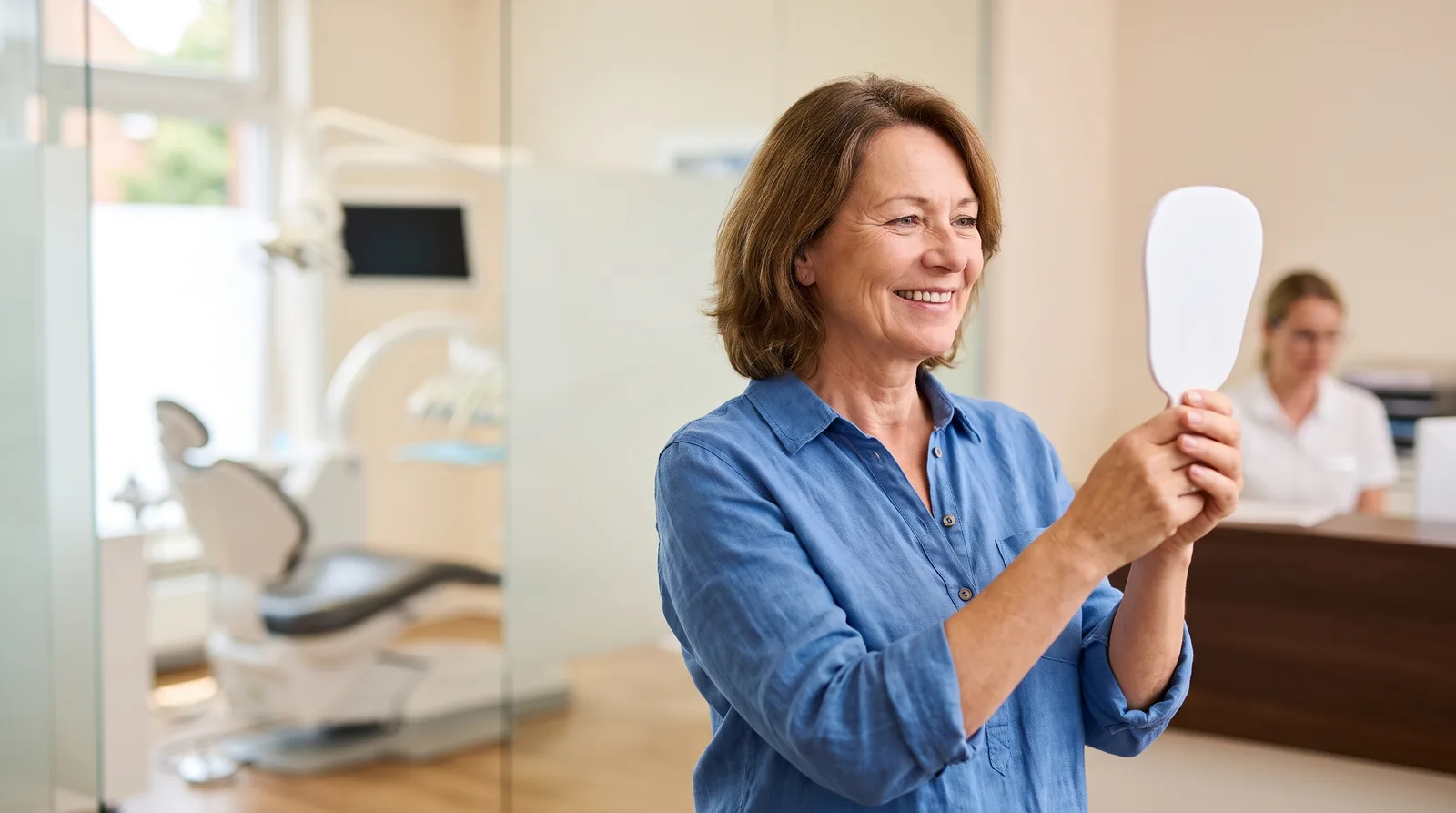
Same day dental implants at our restorative dentistry practice sound appealing to anyone tired of a long treatment timeline, but they're not an option for every patient. Whether you qualify depends on specific factors your dentist checks at your consultation, not just a preference for a faster process.
It's worth being direct about this upfront, since marketing around same-day implants sometimes glosses over the eligibility requirements. Not every patient who wants a faster timeline is a good candidate for one. An honest dentist will tell you that clearly rather than promising speed regardless of your specific case.
This guide is written with that same directness in mind. It covers the real criteria rather than a simplified sales pitch, so you can walk into a consultation already understanding what determines your eligibility.
Dental implants have a success rate of 95 to 98% over 10 years, according to the Journal of Oral and Maxillofacial Surgery. Same-day cases need to meet the same underlying standards to protect that outcome, consistent with the ADA's patient resources on dental implants. This guide covers who actually qualifies, what "same-day" really means, and how to find out where you stand.
Same-day dental implants, also called immediate-load implants, allow a temporary crown to be attached the same day as implant placement. This is different from waiting months for healing before any crown is placed. The final permanent crown still comes later, once full healing is confirmed.
This is a meaningful distinction worth understanding upfront. "Same-day" refers to the temporary crown, not a fully completed, permanent restoration, which still depends on the same osseointegration healing process every implant requires.
Some patients hear "same-day implant" and assume the entire process, including the final crown, wraps up in a single visit. Setting that expectation correctly at the start avoids any confusion later in treatment.
Both timelines lead to the same final result: a stable, functional, natural-looking crown. The only real difference is how quickly you have a temporary tooth in place while the underlying healing takes its course.
Good candidates typically have adequate bone density and volume, good overall oral and general health, and no active infection at the implant site. Sufficient bone allows the implant to achieve strong initial stability, which is what makes an immediate temporary crown possible.
Gum health matters here too, not just bone. Healthy, disease-free gum tissue around the implant site supports proper healing. This is part of why active gum disease is generally addressed before same-day treatment is considered.
Your dentist looks at the whole picture during this evaluation, not any single factor in isolation. Even excellent bone density won't outweigh an active infection or uncontrolled health condition when it comes to same-day eligibility specifically.
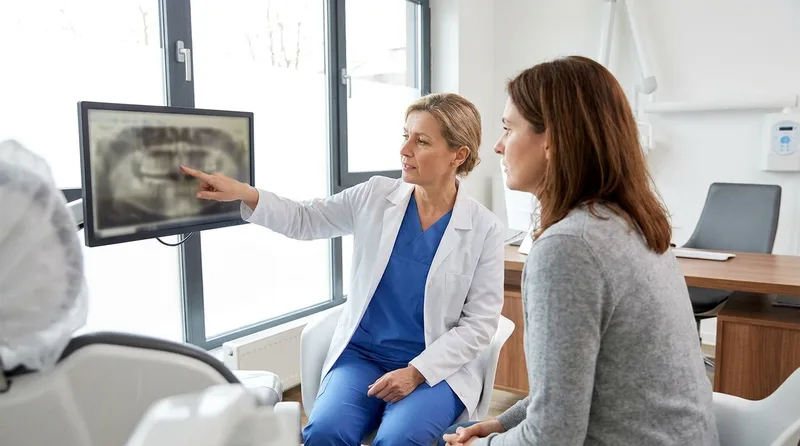
These criteria work together rather than in isolation. A patient with excellent bone but poorly controlled diabetes may still not be an ideal same-day candidate. Overall healing capacity matters as much as the local bone conditions at the implant site.
Age itself is rarely a disqualifying factor on its own. What matters more is the overall health picture and the specific measurements taken during your consultation, regardless of how old or young you are.
Our guide on CBCT imaging for implant planning covers this scan in more detail. Your dentist also reviews your medical history, any medications that could affect healing, and the specific tooth or teeth being replaced.
Front teeth and back teeth can have different considerations, since bite forces and bone structure vary by location in the mouth. A same-day approach that works well for a front tooth may not be appropriate for a molar bearing significant chewing force.
This is another reason candidacy is genuinely case-specific rather than a blanket yes or no. The same patient might qualify for same-day treatment on one tooth and need the traditional timeline for another. It depends entirely on the specific site involved.
Wondering if you qualify for a same-day implant?
A consultation and CBCT scan give you a direct answer based on your specific case.
Schedule a Consultation →Patients with insufficient bone volume, active gum disease, uncontrolled diabetes, or heavy smoking habits are generally not good candidates for the immediate-load approach. They may still be excellent candidates for traditional implant treatment on a longer timeline.
Uncontrolled diabetes specifically affects healing capacity throughout the body, not just in the mouth. This is why well-managed blood sugar is generally a prerequisite for same-day treatment specifically, even though it isn't necessarily disqualifying for implants overall.
Our guide on bone grafting before dental implants covers one common path forward for patients who don't currently qualify for same-day placement. Not qualifying for the fastest option doesn't mean implants aren't right for you, just that the traditional timeline is the better fit.
It's worth hearing this news in context rather than as a setback. Traditional implant treatment has an excellent, well-established track record. The extra time simply reflects what your specific bone and health genuinely need to heal properly.
The temporary crown placed on same-day cases is designed to look natural but typically avoids heavy bite forces while the implant heals underneath. The final crown, placed months later once healing is confirmed, is built for full, normal function.
Nearly all Americans, 99.7% according to the American Academy of Cosmetic Dentistry, consider their smile an important social asset. This is part of why having a natural-looking temporary in place matters even before the final crown is ready.
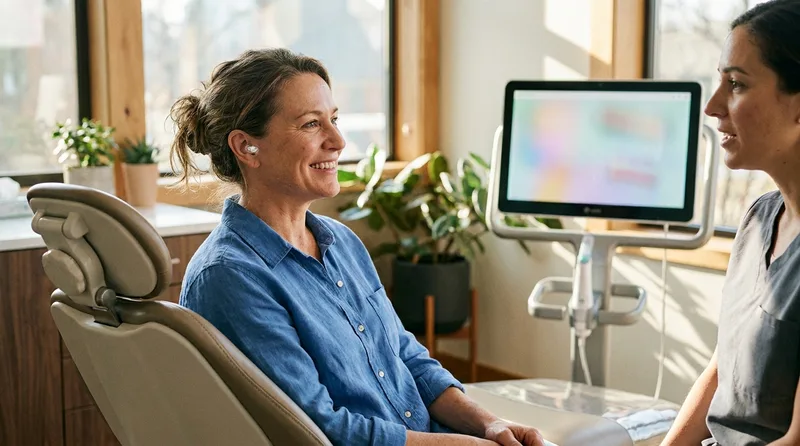
Patients sometimes assume the temporary crown is the finished product. This leads to disappointment if it's treated the same as a permanent restoration too soon. Following your dentist's specific guidance on diet and care during this period protects the healing process underneath.
The temporary crown still looks and functions well enough for daily life. It simply isn't designed to handle the same forces the eventual permanent crown will. Sticking to softer foods on that side, as instructed, gives the implant the best chance to heal undisturbed.
Most patients adapt to this temporary adjustment quickly, since it's a manageable, short-term change rather than an ongoing restriction. The payoff, a fully functional final crown, makes the brief accommodation worthwhile.
Same-day implant day involves placing the implant post and confirming it has achieved adequate initial stability. A temporary crown is attached before you leave, all typically completed in a single extended appointment. Not every case that starts this way ends up receiving the temporary crown that day.
If stability isn't sufficient once the implant is placed, your dentist may recommend the traditional healing timeline instead. This can happen even if same-day treatment was the original plan. This decision protects the long-term success of the implant over the convenience of an immediate crown.
Being told the plan changed mid-appointment can feel disappointing in the moment, but it reflects careful judgment rather than a failed procedure. Your dentist would rather adjust course than compromise the implant's long-term outcome for the sake of sticking to the original plan.
This kind of flexibility is a sign of a dentist prioritizing your long-term outcome over completing the originally planned procedure as scheduled. It's worth viewing as a protective decision rather than a setback.
When performed on appropriately selected candidates, same-day implants have success rates comparable to traditional implant timelines. The underlying biological healing process is the same either way. The difference is when the crown gets attached, not how the implant itself heals.
This is why candidate selection matters so much. Success rates for same-day implants placed on well-qualified patients are strong. Attempting the approach on a poor candidate increases the risk of complications, which is exactly why your dentist screens carefully before recommending it.
Choosing a practice that's genuinely willing to recommend the traditional timeline when it's the better fit is one of the clearest signs of a dental team prioritizing your outcome. That matters more than a practice pushing same-day treatment regardless of candidacy.
This is the same reasoning behind every eligibility check covered in this guide. The goal is never simply completing the fastest possible procedure, it's making sure whichever timeline you follow ends with a stable, long-lasting implant.
| Factor | Same-Day Candidate | Traditional Timeline |
|---|---|---|
| Bone volume | Adequate, confirmed by CBCT | May need grafting first |
| Infection status | No active infection | Infection treated before proceeding |
| Overall health | Well-controlled, healthy healing capacity | Any health status suitable for surgery |
| Smoking status | Non-smoker preferred | More flexible, still a factor |
The only reliable way to find out is a consultation and CBCT scan. Eligibility depends on specific measurements rather than general assumptions about your case. Our dental implant timeline guide covers what the traditional process looks like if same-day treatment isn't the right fit.
Coming in with realistic expectations, and an openness to either timeline depending on what your scan shows, tends to lead to the best outcome. This applies regardless of which path your case ends up taking.
There's genuine value in simply asking the question, even if you suspect you might not qualify. A direct answer, backed by your own imaging, replaces uncertainty with a clear plan either way.
Same day dental implants are a real option for the right candidate, but honest eligibility screening matters more than speed alone. Following general oral health guidance from the CDC alongside careful candidate selection supports the strong outcomes implants are known for. Results may vary. Please consult with your dentist at Susan J. Curley DDS for personalized treatment recommendations.
If you're hoping to avoid a long implant timeline, the best next step is finding out directly whether your case actually qualifies.
Find Out If You Qualify for Same-Day Implants
Schedule a consultation with Dr. Curley in Wall Township for a direct answer based on your case.
Book Appointment →Have questions before booking?
Contact Our Wall Township Office →Written By
Dentist
Full smile makeover plan explained: how to properly sequence Invisalign, whitening, and veneers together for the best result.
Digital smile design mockup explained honestly for patients: how it is created, why it is trustworthy, and what it shows you.
Smile design for a gummy smile: what actually causes it and which treatment options can genuinely help you feel confident.
Book your visit with Dr. Curley online or call us, and we'll take it from there.