
smile-design
How to Build a Full Smile Makeover Plan That Works
Full smile makeover plan explained: how to properly sequence Invisalign, whitening, and veneers together for the best result.
Sep 22, 20266 min read



Crown after root canal is a step some patients consider skipping once the discomfort that led them to treatment is gone. Doing so puts the tooth at real risk. Understanding why almost every root canal-treated tooth needs a crown helps explain why this isn't an optional add-on.
It's an understandable temptation. The hardest part feels over, and the tooth might even feel fine with just the temporary filling in place. That feeling is misleading, and this guide explains exactly why.
Comfort after a root canal doesn't mean the tooth is structurally stable long-term. The nerve that once signaled discomfort is gone, which means a developing problem can progress without the usual warning sign you'd expect from a healthy tooth.
Our guide on root canal treatment covers what the procedure itself involves. Dental implants have a success rate of 95 to 98% over 10 years, according to the Journal of Oral and Maxillofacial Surgery, and a well-crowned root canal-treated tooth aims for that same kind of long-term reliability. This guide focuses specifically on the step that comes right after. We'll cover why a crown matters so much, and what can happen if it's skipped or delayed.
A root canal removes the nerve and blood supply from inside a tooth. Over time this makes the remaining tooth structure more brittle than a tooth with its nerve intact. A crown protects that weakened structure from fracturing under normal biting force.
The access opening a dentist creates to perform the root canal itself also removes some tooth structure, further reducing the tooth's ability to withstand daily chewing without additional support. A crown addresses both of these structural changes at once.
Think of the tooth after a root canal as structurally similar to a hollowed-out shell rather than the solid tooth it once was. A crown restores that solid, protected feeling by surrounding and reinforcing what remains.
This is a genuinely different situation than a tooth that's simply had a filling, since the internal structure has changed in a way that specifically calls for external reinforcement rather than an internal repair alone.
Patients sometimes ask whether a very small root canal, on a tooth with minimal decay to begin with, might be the exception to this rule. In most cases the answer is still no, since the access opening alone changes the structural picture regardless of how small the original problem was.
Without a crown, a root canal-treated tooth is significantly more likely to crack or fracture, sometimes severely enough that the tooth can't be saved and needs extraction. This risk is highest on back teeth that handle heavy chewing force.
The unpredictability is part of what makes this risk so significant. A fracture can happen suddenly, while biting something entirely ordinary, rather than building up gradually with warning signs beforehand.
This is precisely why "the tooth feels fine" isn't a reliable reason to delay the crown. A tooth that feels completely normal today can fracture unexpectedly tomorrow if the underlying structure hasn't been reinforced.

A fracture below the gumline is the worst-case outcome, since it often can't be repaired and the tooth is lost entirely, undoing the root canal treatment that was meant to save it in the first place.
This outcome is genuinely preventable in nearly every case. The crown exists specifically to stop this exact scenario from happening, which is why dentists emphasize it so consistently after root canal treatment.
| Scenario | Typical Outcome |
|---|---|
| Crown placed promptly | Tooth protected, functions normally for years |
| Crown delayed, temporary intact | Generally still recoverable, crown still advisable soon |
| Temporary fails before crown | Risk of reinfection, possible retreatment |
| Tooth fractures without a crown | Often unrecoverable, extraction likely |
Front teeth handle less biting force than back teeth. A crown isn't always required after a root canal on these teeth, and a filling sometimes provides adequate protection depending on how much structure remains. Your dentist evaluates this case by case.
Even on front teeth, significant structural loss or a particularly thin remaining wall can still call for a crown despite the lower bite force involved. Location alone doesn't automatically decide the answer.
Cosmetic considerations sometimes factor in too, especially for a front tooth. A crown can also address discoloration that sometimes develops in a tooth after root canal treatment, offering a cosmetic benefit alongside the structural one.
This dual benefit, protection plus appearance, is one more reason many dentists still recommend a crown on a front tooth even when the structural case alone might not strictly require one.
Just finished a root canal and need your crown?
Scheduling your crown promptly protects the tooth your root canal was meant to save.
Schedule Your Crown →Most dentists recommend scheduling the permanent crown within a few weeks of completing a root canal. The temporary filling placed afterward isn't designed for long-term daily use. Waiting too long increases the risk of the temporary breaking down.
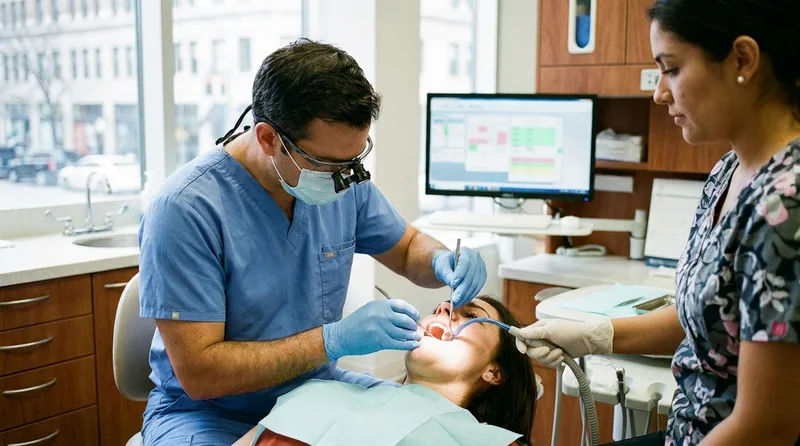
If the temporary filling fails before the permanent crown is placed, bacteria can re-enter the tooth. This can potentially undo the root canal treatment, requiring it to be redone entirely. This is a preventable complication tied directly to delaying the crown.
Scheduling the crown appointment before you even leave your root canal visit is one of the simplest ways to avoid this timeline slipping. Most practices are happy to book this follow-up right away.
Life gets busy, and a follow-up appointment scheduled weeks out is easy to lose track of without a reminder already on the calendar. Booking it immediately removes that risk entirely.
Temporary filling material isn't designed to seal a tooth indefinitely. Over weeks or months it can wear down, crack, or loosen, allowing bacteria back into the tooth. This defeats the purpose of the root canal treatment that preceded it.
Some patients delay the crown due to scheduling or cost concerns, not realizing the temporary filling has a limited functional lifespan. Discussing financing options upfront with your dentist is generally a better path than indefinitely postponing the crown.
A conversation about cost, timing, or scheduling constraints is always worth having directly with your dental team rather than simply not returning for the crown appointment. There's usually a workable solution that doesn't put the tooth at risk.
Ultimately, the small effort of scheduling and completing this final step is what makes the entire root canal process worthwhile in the first place.
Dental teams see this situation regularly and generally have practical options to offer, whether that's a payment plan, a more convenient appointment time, or simply reassurance about what's genuinely urgent versus what can wait briefly.
The key distinction is between briefly rescheduling a crown appointment for a legitimate reason and quietly deciding to skip it altogether. The first is manageable; the second is what actually puts the tooth at risk.
Keeping this distinction in mind helps frame the decision correctly: a short delay for a real scheduling conflict is normal, while an indefinite postponement is the pattern worth actively avoiding.
Most patients who follow through with a prompt crown appointment never think about this issue again, since the crown does exactly what it's designed to do: quietly protect the tooth for years without requiring further attention.
Many dental insurance plans cover a portion of the crown following root canal treatment, though coverage varies by plan and often has annual limits. Confirming your specific benefits before scheduling helps you plan for any out-of-pocket cost.
Regular dental visits catch 80% of oral health issues before they become serious, according to the CDC's oral health data, which applies just as much to monitoring a crowned tooth as any other.
CareCredit and Sunbit financing are available through the practice if needed, which can make the crown more manageable regardless of what your specific insurance plan covers. Cost shouldn't be a reason to leave a root canal-treated tooth unprotected long-term.
If your root canal and crown fall in different calendar years, coordinating the timing with your insurance benefits can sometimes make a meaningful difference in your total out-of-pocket cost. It's worth asking your dentist's billing team about this specifically.
Every insurance plan handles this differently, so a direct question to your specific provider gives you a more reliable answer than assuming based on a general rule of thumb from a friend's experience.
The crown appointment typically involves removing the temporary filling, preparing the tooth, taking a scan or impression, and placing either a same-day milled crown or a temporary while a lab crown is fabricated. Our guide on same-day crowns versus lab crowns covers this choice in detail.
This appointment is generally straightforward and similar to getting a crown on any other tooth, since the more involved part of treatment, the root canal itself, is already behind you at this point.
Most patients find this final step noticeably simpler than the root canal that preceded it, which can help reframe it as a quick finishing touch rather than another significant procedure to brace for.
Crown after root canal isn't an optional upsell, it's the step that actually protects the investment you already made in saving the tooth. Following the ADA's patient resources on root canals alongside your dentist's specific timeline supports the long-term success of the treatment. Results may vary. Please consult with your dentist at Susan J. Curley DDS for personalized treatment recommendations.
If you completed a root canal recently and haven't scheduled your crown yet, doing so now protects the tooth before the temporary filling has a chance to fail.
Protect Your Root Canal-Treated Tooth
Schedule your crown with Dr. Curley in Wall Township before your temporary filling wears down.
Book Appointment →Have questions before booking?
Contact Our Wall Township Office →Written By
Dentist
Full smile makeover plan explained: how to properly sequence Invisalign, whitening, and veneers together for the best result.
Digital smile design mockup explained honestly for patients: how it is created, why it is trustworthy, and what it shows you.
Smile design for a gummy smile: what actually causes it and which treatment options can genuinely help you feel confident.
Book your visit with Dr. Curley online or call us, and we'll take it from there.