smile-design
How to Build a Full Smile Makeover Plan That Works
Full smile makeover plan explained: how to properly sequence Invisalign, whitening, and veneers together for the best result.
Sep 22, 20266 min read


Same day crowns vs lab crowns comes down to one key difference: a same-day crown is designed, milled, and placed in a single visit at our restorative dentistry practice using in-office CEREC technology, while a lab-made crown requires a temporary crown and a second visit weeks later. Both use durable materials built to last for years.
Nearly 1 in 4 adults in the US has untreated tooth decay, according to CDC oral health data, and a meaningful share of those cases eventually need a crown to restore the tooth. This guide compares same-day and lab-made crowns directly, from the technology behind each to how they hold up over time, so you know what to expect with either option.
Both types of crowns exist because dentistry has genuinely useful reasons to offer more than one path to the same outcome. Neither same-day nor lab-made crowns are a compromise version of the other; they're two mature, well-tested approaches that fit different priorities. Regular dental visits catch 80% of oral health issues before they become serious, according to the ADA, which is part of why routine checkups matter regardless of which crown type you eventually need. Understanding what's actually different, rather than assuming one is simply the "fast" version and the other the "proper" version, helps you make a more informed choice alongside Dr. Curley's recommendation.
A same-day crown is designed and milled in-office using a digital scan of your tooth and CEREC or similar CAD/CAM technology, then bonded in place during the same appointment. The entire process typically takes one to two hours, a technology detailed further in the ADA's patient education library.
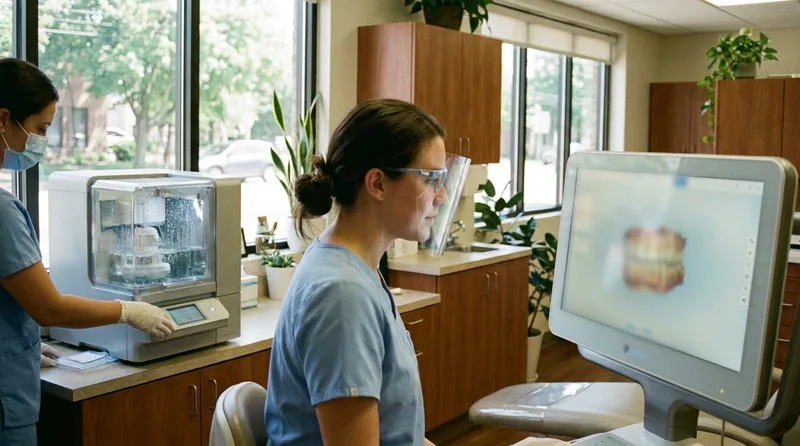
After the tooth is prepared, a digital scanner captures its exact shape, replacing the messier physical impression traditional crowns often use. Software then designs the crown based on that scan, and an in-office milling unit carves the final crown from a solid ceramic block, typically in about 15 to 20 minutes. Once milled, the crown is checked for fit, adjusted if needed, and bonded permanently before you leave.
Local anesthetic is used during tooth preparation just as it would be for any crown. The main difference patients notice is what happens next: instead of leaving with a temporary and a follow-up appointment on the calendar, you wait in the office while the mill does its work, then have the final crown checked, adjusted, and bonded before heading home the same day.
A lab-made crown is designed from a scan or impression taken at your appointment, then fabricated by a dental lab over one to two weeks while you wear a temporary crown. It requires two separate visits to complete.
The first visit involves preparing the tooth, taking the scan or impression, and placing a temporary crown to protect the tooth while the permanent one is made. Skilled lab technicians then fabricate the crown, often with more material and shading options available than an in-office mill can offer, since the lab isn't constrained by a single block size or a same-day timeline. The second visit removes the temporary and bonds the finished crown in place.
The temporary crown plays an important role during that waiting period. It's designed to protect the prepared tooth and maintain some function for eating and speaking, though it's meant to be treated more gently than a permanent restoration. Avoiding very sticky or hard foods on that side, and calling the office if the temporary feels loose, helps ensure the prepared tooth stays protected until your second visit.
Both same-day and lab-made crowns are built from durable materials designed to last many years with proper care, and neither option is inherently stronger than the other in typical use. Material choice matters more than which process made the crown.
Same-day crowns are milled from solid ceramic blocks, which are strong and well-suited to back teeth that handle heavy chewing force. Lab-made crowns offer a wider range of material options, including layered ceramics and metal-ceramic combinations, which can be chosen based on where the crown sits and what look or strength priority matters most for that specific tooth. Dental implants and their crowns have a success rate of 95 to 98% over 10 years, according to the Journal of Oral and Maxillofacial Surgery, and standard tooth-supported crowns generally perform comparably well when properly fitted and maintained.
| Factor | Same-Day Crown | Lab-Made Crown |
|---|---|---|
| Visits needed | One | Two, one to two weeks apart |
| Material options | Solid ceramic blocks | Layered ceramics, metal-ceramic options |
| Best for | Back teeth, busy schedules | Highly visible front teeth |
| Temporary crown needed | No | Yes, between visits |
Curious which crown option fits your tooth?
A quick exam can determine whether a same-day or lab-made crown is the better match for your specific case.
Schedule an Exam →Same-day crowns look natural for most cases, especially back teeth, though lab-made crowns still offer an edge in shade-matching and layered translucency for front teeth where appearance matters most. Both are color-matched to your surrounding teeth.
The gap has narrowed considerably as milling materials and software have improved, and many same-day crowns for molars and premolars are visually indistinguishable from lab-made versions once placed. For a highly visible front tooth where subtle color layering makes a bigger cosmetic difference, Dr. Curley may recommend a lab-made crown specifically for that extra level of shade customization.
Lighting also plays a role in this comparison. A crown that looks like a perfect match under office lighting can occasionally read slightly differently in daylight or under different indoor lighting, which is true for both same-day and lab-made crowns. Reviewing the color in natural light before final bonding, whenever the timeline allows for it, helps catch any noticeable mismatch early.
A same-day crown is complete in a single one-to-two-hour visit, while a lab-made crown requires an initial visit plus a second visit one to two weeks later, with a temporary crown worn in between. The total chair time is similar either way.
For patients balancing a busy schedule, the single-visit format of a same-day crown removes the need to coordinate two separate appointments and manage a temporary crown in the meantime, which some patients find fragile or uncomfortable to eat around.
There are cases where the extra time for a lab-made crown works in your favor, though. If your case needs coordination with another treatment, like a root canal completed shortly before the crown, or if a specific material only the lab stocks is the better fit for your bite, the additional week or two isn't a drawback so much as the necessary timeline for getting the right result. Patients who've recently had a root canal often fall into this category, since the crown timing is planned around that treatment's own healing window.
Cost between same-day and lab-made crowns is generally comparable, since both use similar-value materials and dental labor, even though the process differs. Any price difference usually comes down to material choice rather than same-day versus lab-made status itself.
Insurance coverage typically treats both options the same, since coverage is based on the type of restoration needed rather than which technology produced it. CareCredit and Sunbit financing are available through the practice regardless of which crown type fits your case, so cost doesn't need to be the deciding factor between the two.
One indirect cost worth considering is time away from work or other commitments. A same-day crown means one appointment instead of two, which can offset any small material cost difference simply by reducing the total time invested in the process. For patients billing their own time at a premium, that trade-off is sometimes the more meaningful factor than the sticker price of the crown itself.
It's worth asking directly during your consultation what the specific cost difference, if any, looks like for your case, since pricing can vary by practice and by which specific material is recommended. A clear, itemized estimate before treatment begins avoids any surprise regardless of which crown type you choose.
A same-day crown fits most back teeth and patients who want to avoid a second visit and temporary crown, while a lab-made crown fits highly visible front teeth or cases needing specific material properties only a lab can provide. Dr. Curley makes the final call after examining the tooth.
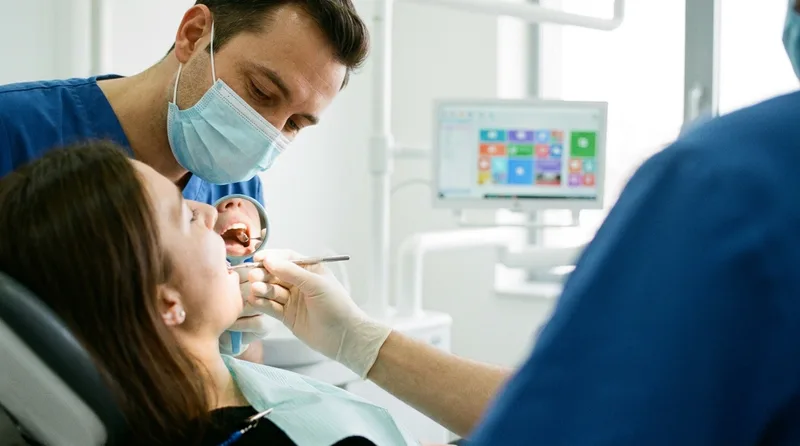
Factors like how much of the natural tooth remains, the tooth's position and visibility, your bite pattern, and your own schedule preferences all factor into the recommendation. If our advanced dental technology covers a case that fits the in-office mill well, same-day is usually the more convenient path; for cases needing extra shade customization, the lab-made route remains the stronger choice.
It's also worth mentioning that not every practice offers same-day crowns, since the in-office milling equipment represents a significant investment. If you've received care elsewhere and were only offered a two-visit process, that doesn't necessarily mean anything was wrong with your case; it may simply reflect the technology available at that particular office rather than a decision specific to your tooth.
Same day crowns vs lab crowns ultimately comes down to convenience versus material and shading flexibility, not one option being categorically better than the other. Both are reliable, long-lasting ways to restore a damaged tooth when placed correctly. Results may vary. Please consult with your dentist at Susan J. Curley DDS for personalized treatment recommendations.
If you've been told you need a crown and want to know which option fits your specific tooth, an exam is the clearest way to get a direct answer.
Need a Crown? Let's Find the Right Fit
Schedule an exam with Dr. Curley in Wall Township and find out whether a same-day or lab-made crown fits your tooth.
Book Appointment →Have questions before booking?
Contact Our Wall Township Office →Written By
Dentist
Full smile makeover plan explained: how to properly sequence Invisalign, whitening, and veneers together for the best result.
Digital smile design mockup explained honestly for patients: how it is created, why it is trustworthy, and what it shows you.
Smile design for a gummy smile: what actually causes it and which treatment options can genuinely help you feel confident.
Book your visit with Dr. Curley online or call us, and we'll take it from there.