
smile-design
How to Build a Full Smile Makeover Plan That Works
Full smile makeover plan explained: how to properly sequence Invisalign, whitening, and veneers together for the best result.
Sep 22, 20266 min read



Root canal treatment what to expect comes down to one honest answer: modern root canals, done at our restorative dentistry practice, relieve discomfort rather than cause it. That surprises most patients who've heard old stories about what a root canal used to involve. Today's technique, combined with reliable local anesthetic, makes the appointment far more manageable than its reputation suggests.
Nearly 1 in 4 adults in the US has untreated tooth decay, and a share of those cases eventually need a root canal once decay reaches the tooth's inner nerve. This guide walks through exactly what happens during the appointment, how long it takes, what comfort and sedation options are available, and what recovery looks like afterward.
Root canal treatment removes infected or inflamed tissue from inside a tooth's nerve chamber, then seals the space to stop the infection from spreading. You'd need one when decay, a crack, or repeated dental work has reached the tooth's inner nerve.
Inside every tooth sits a soft core of nerve and blood vessel tissue called the pulp. When bacteria reach that pulp, usually through a deep cavity or a fracture, the tissue becomes inflamed and eventually dies. Left alone, the infection spreads into the surrounding bone and can eventually threaten the tooth itself. A root canal clears out that damaged tissue and lets you keep the natural tooth rather than losing it to extraction.
Common warning signs include lingering sensitivity to hot or cold, a dull ache that worsens when biting down, and swelling near the gum line. If any of those sound familiar, it's worth having Dr. Curley evaluate the tooth before the situation worsens.
Root canals have a reputation for being a last resort, but they're actually a conservative option compared to the alternative. Removing the infected tissue and sealing the tooth lets you keep your natural bite, your natural chewing pattern, and avoids the additional cost and time of an implant or bridge down the road. The tooth is numbed, cleaned out, and restored, often in a single visit, rather than removed entirely.
A root canal typically involves numbing the tooth, creating a small access opening, removing the damaged tissue, cleaning and shaping the inner canals, and sealing the space, often followed by a crown. Most appointments follow this same sequence.

Most of the appointment is spent on careful cleaning and shaping, not on any single dramatic step. A rubber dam isolates the tooth from saliva throughout, which keeps the area dry and the process efficient.
No, root canal treatment itself is performed under local anesthetic, so you shouldn't feel discomfort during the procedure. Most patients report the experience feels similar to getting a routine filling.
The reputation root canals have for being unpleasant mostly traces back to decades-old techniques and, more often, to the untreated infection that made the procedure necessary in the first place. That lingering ache or throbbing before treatment is the infection talking, not the root canal itself. Once the local anesthetic takes effect, patients typically feel pressure and vibration rather than any sharp sensation. Patients who've already had a root canal are consistently the ones least worried about a second one, since the actual experience rarely matches the reputation.
Some mild soreness in the days after treatment is normal and manageable with over-the-counter medication, similar to recovering from a filling. That soreness usually peaks within the first day or two and fades steadily from there, rather than getting worse.
Beyond standard local anesthetic, patients with dental anxiety can request nitrous oxide or oral sedation to stay relaxed and comfortable throughout the appointment, and Dr. Curley discusses these options with every patient before treatment begins. No one is expected to just tough it out.
Dental anxiety is more common than most people realize. Roughly 36% of Americans report some level of dental anxiety, and about 12% describe extreme fear, according to the ADA's patient guide to root canals. For those patients, sedation options make a measurable difference: research in the Journal of Dental Anesthesia found that sedation dentistry has helped 75% of fearful patients maintain regular visits they'd otherwise avoid. IV sedation in particular carries a safety record exceeding 99.9% in dental settings, per the ADA.
If anxiety has kept you from scheduling a needed root canal, mention it upfront. Adjusting the comfort plan takes only a few minutes of conversation, and it changes the entire experience.
| Option | Best For | Recovery Time |
|---|---|---|
| Local anesthetic | Every patient, standard for all root canals | Wears off within hours |
| Nitrous oxide | Mild general anxiety | Clears in minutes, drive yourself home |
| Oral sedation | Moderate anxiety, longer appointments | Groggy for a few hours, need a ride |
| IV sedation | Severe anxiety or complex cases | Need a ride, rest of the day off |
Most root canal appointments take 60 to 90 minutes for a single tooth, though molars with more canals can take up to two hours. Complex cases occasionally require a second visit.
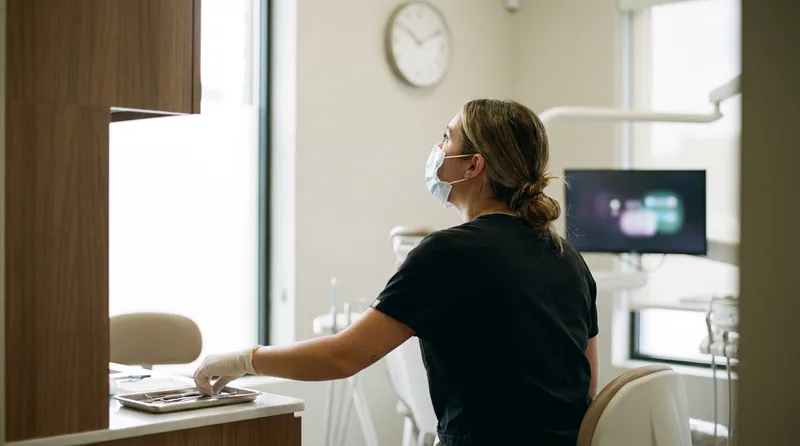
Appointment length depends mostly on how many canals the tooth has. Front teeth usually have one canal and finish closer to the 60-minute mark. Molars can have three or four canals, which naturally extends the cleaning and shaping process. Curved or narrow canals also take longer to navigate safely.
Plan to block out your morning or afternoon rather than squeezing the visit between other commitments, and arrange a ride home if you've chosen oral or IV sedation. Front teeth appointments often wrap up quickly enough to return to work the same day, while a molar case may leave you wanting the rest of the afternoon to rest.
Recovery from a root canal typically takes just a few days, with mild soreness around the treated tooth that responds well to an over-the-counter medication like ibuprofen. Most patients return to normal activities, including work, the very next day.
The treated tooth may feel tender to bite pressure for two to three days while the surrounding tissue settles down. Chewing on the opposite side during this window helps. If a temporary filling was placed, avoid sticky or hard foods until the permanent crown goes on at a follow-up visit, usually within a few weeks.
Contact the office if soreness increases instead of easing, or if swelling develops. That combination can signal a separate issue worth checking, though it's uncommon after a properly completed root canal.
Most patients are surprised by how ordinary the days after treatment feel. Brushing and flossing continue as normal around the area, and the temporary filling holds up fine to gentle chewing on the other side of your mouth. The bigger adjustment is usually scheduling the follow-up crown appointment, not managing any lingering discomfort.
Noticing symptoms that concern you?
Our guide on abscess warning signs explains when a toothache needs urgent attention versus a routine appointment.
Read Abscess Warning Signs →Signs you may need a root canal include lingering sensitivity to temperature, aching when you bite down, gum swelling, and a tooth that's darkened in color. Any one of these on its own is worth an evaluation.
Not every toothache means a root canal is coming. Sometimes sensitivity traces back to a cracked filling, a cavity that hasn't reached the nerve yet, or simple sinus pressure. That's why an exam with imaging matters before assuming the worst. Dr. Curley uses 3D endodontic imaging to see exactly what's happening inside the tooth before recommending treatment.
Related: If you're weighing whether your symptoms are urgent, our warning signs guide breaks down what to watch for. Dental Abscess Warning Signs: When It's an Emergency →
Delaying root canal treatment allows the infection to keep spreading, which can lead to bone loss, a more serious abscess, or eventual loss of the tooth. Dental abscesses can spread to other parts of the body within 48 hours if left untreated, according to the CDC's overview of oral health.

What starts as manageable discomfort often escalates. The infection doesn't stay contained to one tooth indefinitely, and treatment options narrow the longer it's ignored. A tooth that could have been saved with a root canal today might require extraction in a few months, which opens a separate conversation about replacement options down the road, whether that's a bridge, an implant, or a partial denture.
There's also a cost dimension worth weighing. A root canal followed by a crown is almost always less expensive over time than extraction followed by a replacement tooth, since replacement options involve their own procedures, materials, and follow-up visits. Saving the natural tooth when possible tends to be the more economical path as well as the more comfortable one.
If you've been putting off a recommended root canal, understanding your treatment plan can help you weigh the timeline against the risk of waiting.
Root canal treatment cost varies by tooth location and the number of canals involved, with molars generally costing more than front teeth due to added complexity. A crown afterward is a separate, additional cost.
Cost drivers include which tooth is treated, whether a specialist referral is needed for a complex case, and the material chosen for the follow-up crown. Many dental insurance plans cover a meaningful portion of root canal treatment, since it's considered a tooth-saving procedure rather than an elective one. CareCredit and Sunbit financing are also available through the practice.
Ask for an itemized treatment plan before your appointment so you know exactly what's included and what depends on findings during treatment. Our guide on reading a dental treatment plan breaks down which line items are urgent versus optional. If cost is a concern, mention it during your consultation. Dr. Curley's office can walk through financing options and phase treatment if needed rather than delaying care entirely.
Root canal treatment what to expect ultimately comes down to a routine, well-managed appointment that saves a tooth you'd otherwise lose. The discomfort patients fear almost always belongs to the untreated infection, not the treatment that resolves it. Results may vary. Please consult with your dentist at Susan J. Curley DDS for personalized treatment recommendations.
If a tooth has been bothering you, don't wait for it to get worse. An evaluation now is a shorter, simpler visit than the one you'll need later.
Think You Might Need a Root Canal?
Schedule an evaluation with Dr. Curley in Wall Township and get a clear answer about your tooth, your comfort options, and your timeline.
Book Appointment →Have questions before booking?
Contact Our Wall Township Office →Written By
Dentist
Full smile makeover plan explained: how to properly sequence Invisalign, whitening, and veneers together for the best result.
Digital smile design mockup explained honestly for patients: how it is created, why it is trustworthy, and what it shows you.
Smile design for a gummy smile: what actually causes it and which treatment options can genuinely help you feel confident.
Book your visit with Dr. Curley online or call us, and we'll take it from there.