
732-681-8604
Susan J. Curley, DDS
CallBook
Emergency Dental Care

Cracked a Tooth? A Step-by-Step Guide to What to Do Next

Dr. Susan J. Curley, DDSJuly 14, 20269 min read
Cracked a Tooth? A Step-by-Step Guide to What to Do Next

Key Takeaways

  • Immediately after cracking a tooth: rinse with warm water, avoid chewing on that side, apply cold pack if swelling, and call for a same-day appointment.
  • Cracked teeth account for approximately 20% of all tooth loss in industrialized countries, according to published dental epidemiology data.
  • Teeth with cracks confined to the crown have over 85% survival at 5 years with appropriate treatment; cracks extending to the gumline have less than 50%, per published fracture outcome data.
  • The five categories of cracks range from craze lines requiring no treatment to complete splits requiring extraction.
  • Same-day ceramic crowns at Susan J. Curley DDS can stabilize a cracked tooth in a single visit in many cases.

A cracked tooth can happen in a moment from biting something hard, a sports injury, or just waking up one morning with a tooth that suddenly feels different. The immediate question is always the same: how serious is this, and what do I do right now? The answer depends on where the crack is, how deep it goes, and whether there is pain or sensitivity that suggests the inner tooth structure has been involved. This guide walks through cracked tooth what to do in the first minutes and hours, explains the types of cracks and what each means clinically, and explains why getting evaluated the same day is almost always the right call. Susan J. Curley DDS in Wall Township, NJ offers same-day emergency appointments for cracked and chipped teeth.

What Should You Do Immediately After Cracking a Tooth?

The first 30 minutes after cracking a tooth are about stabilizing the situation and gathering information, not panicking. In most cases, a cracked tooth is not a medical emergency, but it does warrant same-day dental evaluation before the situation changes or the crack extends further under chewing forces.

Immediate steps to take:

  • Rinse gently with warm water. This clears debris from the area and helps you assess whether there is any blood and where. Do not probe the tooth with your tongue or finger to assess the damage, as this can introduce bacteria into the crack.
  • Apply gentle pressure if there is bleeding. A small amount of gum bleeding around a cracked tooth is possible if the crack extends to the gumline. Gentle pressure with a clean gauze or cloth for a few minutes is appropriate.
  • Apply a cold pack to the outside of the face if there is swelling or jaw pain, using 20 minutes on and 20 minutes off. This addresses soft tissue swelling and discomfort while you arrange an appointment.
  • Avoid chewing on that side. Every bite taken on a cracked tooth puts force through the crack and can extend it deeper or cause the tooth to split further. Eat on the opposite side and stick to soft foods until the tooth has been evaluated.
  • Call the dental office for a same-day appointment. Susan J. Curley DDS reserves time for dental emergencies. Call as soon as possible after assessing the situation so the team can prepare for the evaluation.
  • Save any broken piece if you can find it. While a dentist cannot bond a large broken tooth fragment back permanently, having the piece helps the dentist assess the original size and shape of the tooth and plan the restoration.

What not to do: do not use over-the-counter adhesives or temporary filling materials on a freshly cracked tooth without professional assessment, as these can seal bacteria into the crack or complicate the clinical examination.
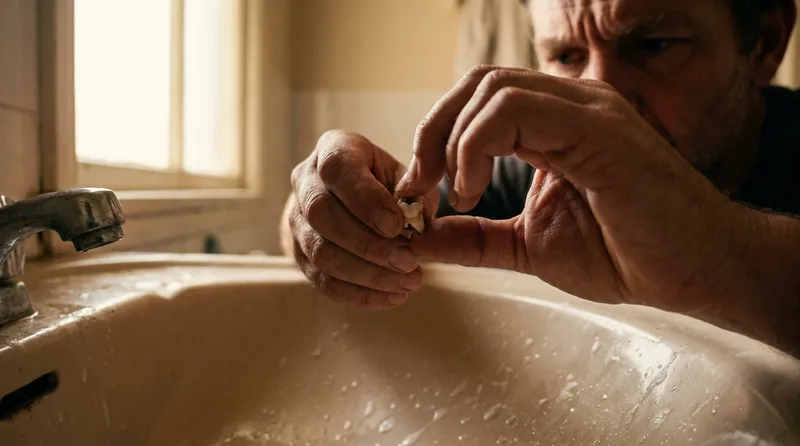
A person holding a broken piece of tooth after a dental emergency, the first step before calling the dental office
If a piece of the tooth has broken off, save it if you can and call the dental office for a same-day appointment immediately.

What Are the Different Types of Tooth Cracks?

Not all tooth cracks are the same in their clinical significance. The type and location of the crack determine the treatment needed and whether the tooth can be saved. Understanding the categories helps set realistic expectations before the dental appointment.

  • Craze lines: Superficial cracks in the outer enamel that do not penetrate into the dentin. These are extremely common, especially in adults, and are generally asymptomatic. They do not require treatment unless they affect appearance significantly. Most people have some craze lines and never know it.
  • Fractured cusp: A piece of the tooth's biting surface, typically a cusp, breaks off. This is one of the most common dental emergencies. If the break does not involve the pulp, the treatment is typically a crown. If the break extends to the pulp, root canal treatment followed by a crown is the likely path.
  • Cracked tooth: A crack that extends from the chewing surface downward, potentially toward or into the root. This is the most clinically significant category because the crack may or may not involve the pulp, and the depth cannot always be determined definitively even with imaging. Symptoms include pain on biting, releasing, or with temperature changes. Treatment ranges from a crown for cracks that do not involve the pulp, to root canal and crown when the pulp is affected.
  • Split tooth: The tooth has cracked completely into two separate segments. This is almost always the endpoint of an unaddressed cracked tooth that was subjected to continued biting forces. A split tooth often cannot be saved, but the root structure may allow an implant or bridge once extracted.
  • Vertical root fracture: A crack that starts at the root and extends upward toward the chewing surface. These are difficult to diagnose because the crack is below the gumline and may not show on X-ray. They typically present with symptoms similar to a cracked tooth but often require extraction.

According to Healthline, cracked teeth account for approximately 20% of all tooth loss in industrialized countries, according to published dental epidemiology data. Early evaluation significantly improves the range of treatment options available and the likelihood of saving the tooth.
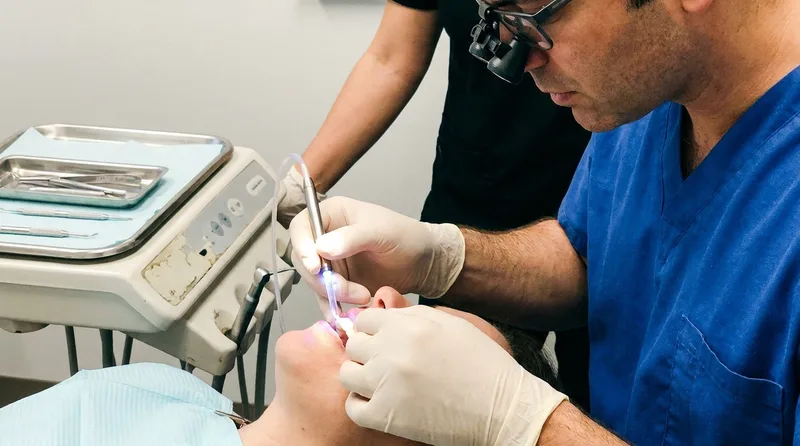
A dentist using a transillumination light against a tooth to detect the extent of a crack during an emergency dental examination
Transillumination with a dental light helps reveal the extent and direction of a crack that may not be visible to the naked eye.

Is a Cracked Tooth an Emergency?

Whether a cracked tooth constitutes an emergency depends on the symptoms. Severe pain, lingering temperature sensitivity, visible swelling, a large broken piece, or any facial swelling all warrant same-day evaluation. Mild occasional sensitivity without other symptoms should still be seen within 24 to 48 hours rather than waiting for a routine slot.

Whether a cracked tooth constitutes an emergency depends on the symptoms. The following presentations warrant same-day evaluation rather than a next-available appointment:

  • Severe or throbbing pain that does not resolve after a few minutes
  • Sensitivity to temperature that lingers for more than a few seconds after the stimulus is removed
  • Visible swelling of the gum or face near the tooth
  • A large visible piece of the tooth has broken off
  • Any facial swelling, difficulty swallowing, or fever alongside the tooth pain

A crack that produces mild occasional sensitivity when biting but no other symptoms can be evaluated urgently rather than emergently, but it should still be seen within 24 to 48 hours rather than waiting for a routine appointment slot. Cracks that seem minor can extend rapidly under continued chewing forces, turning a treatable fracture into an unrestorable one.

According to the American Dental Association, cracked tooth syndrome, the complex of symptoms associated with an incomplete tooth fracture, is notoriously difficult to diagnose definitively and requires careful clinical evaluation including bite testing, transillumination, and sometimes cone beam CT imaging to determine the extent of the fracture before treatment is planned.

How Is a Cracked Tooth Treated?

Treatment depends on the type and depth of the crack. Options range from monitoring for asymptomatic craze lines, to composite bonding for small surface chips, to a crown for fractured cusps, to root canal and crown when the pulp is affected, to extraction when the tooth cannot be saved.

Treatment depends on the type and depth of the crack. The range of options from least to most involved:

  • Monitoring: For craze lines or very superficial cracks with no symptoms, monitoring at regular dental visits is appropriate. No intervention is needed if there is no pain, no sensitivity, and no risk of extension.
  • Bonding: Small chips or cracks on the visible tooth surface can sometimes be repaired with composite bonding, particularly on anterior teeth. This is a conservative, same-day option for cosmetically significant chips that do not involve the deeper tooth structure.
  • Crown: A crown covers the entire tooth surface and holds the crack together under biting forces, preventing it from extending further. This is the most common treatment for a fractured cusp or a cracked tooth where the pulp has not been affected. At Susan J. Curley DDS, same-day ceramic crowns can be milled chairside using in-office technology, completing the restoration in a single visit. Our article on same-day dental crowns covers how this works.
  • Root canal and crown: When the crack has extended to the pulp, root canal treatment removes the infected or inflamed tissue before the crown is placed. The crown then protects the treated tooth from future fracture.
  • Extraction: When a tooth has split completely or has a vertical root fracture that cannot be treated, extraction followed by implant or bridge planning is the path forward. The sooner a tooth in this category is addressed, the more options are available for replacement.

Published research on cracked tooth outcomes has found that teeth with cracks confined to the crown have over 85% survival rates at 5 years with appropriate treatment, compared to less than 50% for cracks extending to or below the gumline, according to published dental fracture outcome data.
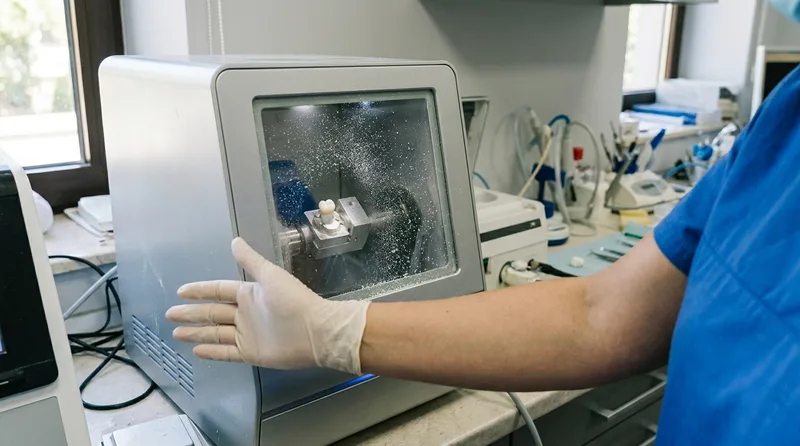
A chairside ceramic crown being milled in a dental office milling machine for same-day emergency crown placement
Same-day ceramic crowns can be milled chairside and placed in a single appointment, stabilizing a cracked tooth without a temporary crown or second visit.

What Happens at an Emergency Appointment for a Cracked Tooth?

The appointment begins with a targeted examination using bite testing, transillumination, dental dye, and X-rays to assess the crack. Cone beam CT provides three-dimensional imaging when crack depth is uncertain. Dr. Curley discusses findings, options, and expected outcomes before any treatment proceeds.

At Susan J. Curley DDS, an emergency appointment for a cracked tooth begins with a targeted examination of the tooth and the surrounding tissue. Dr. Curley uses bite testing, transillumination with a dental light, dental dye, and X-rays to assess the crack. In cases where the crack depth is uncertain, a cone beam CT provides three-dimensional imaging of the root structure that conventional X-rays cannot show.

Based on the assessment, Dr. Curley discusses the findings, the treatment options, and the expected outcome for each. For many cracked teeth, a same-day temporary or definitive crown can be placed at the emergency appointment to stabilize the tooth and relieve the pain before the final restoration plan is confirmed. In urgent cases where a root canal is indicated before the crown can be placed, Dr. Curley coordinates care to ensure the patient leaves the appointment with the tooth stabilized and a clear plan in place.

To book a same-day appointment for a cracked tooth at Susan J. Curley DDS in Wall Township, NJ, call the office or visit susanjcurleydds.com/book-appointment.

Cracked a tooth? Call us today.

Susan J. Curley DDS offers same-day emergency appointments in Wall Township, NJ. The sooner a cracked tooth is evaluated, the more treatment options are available.

Emergency Dentistry Services

Further Reading

Dental emergencies and cracked tooth treatment connect to several topics at Susan J. Curley DDS.

Results may vary. Please consult with your dentist at Susan J. Curley DDS for personalized treatment recommendations.

.S

Written By

Dr. Susan J. Curley, DDS

Dentist

Related Articles

Ready When You Are

Book your visit with Dr. Curley online or call us, and we'll take it from there.