crowns
Temporary Crown Care Tips: What to Avoid Before Your Crown
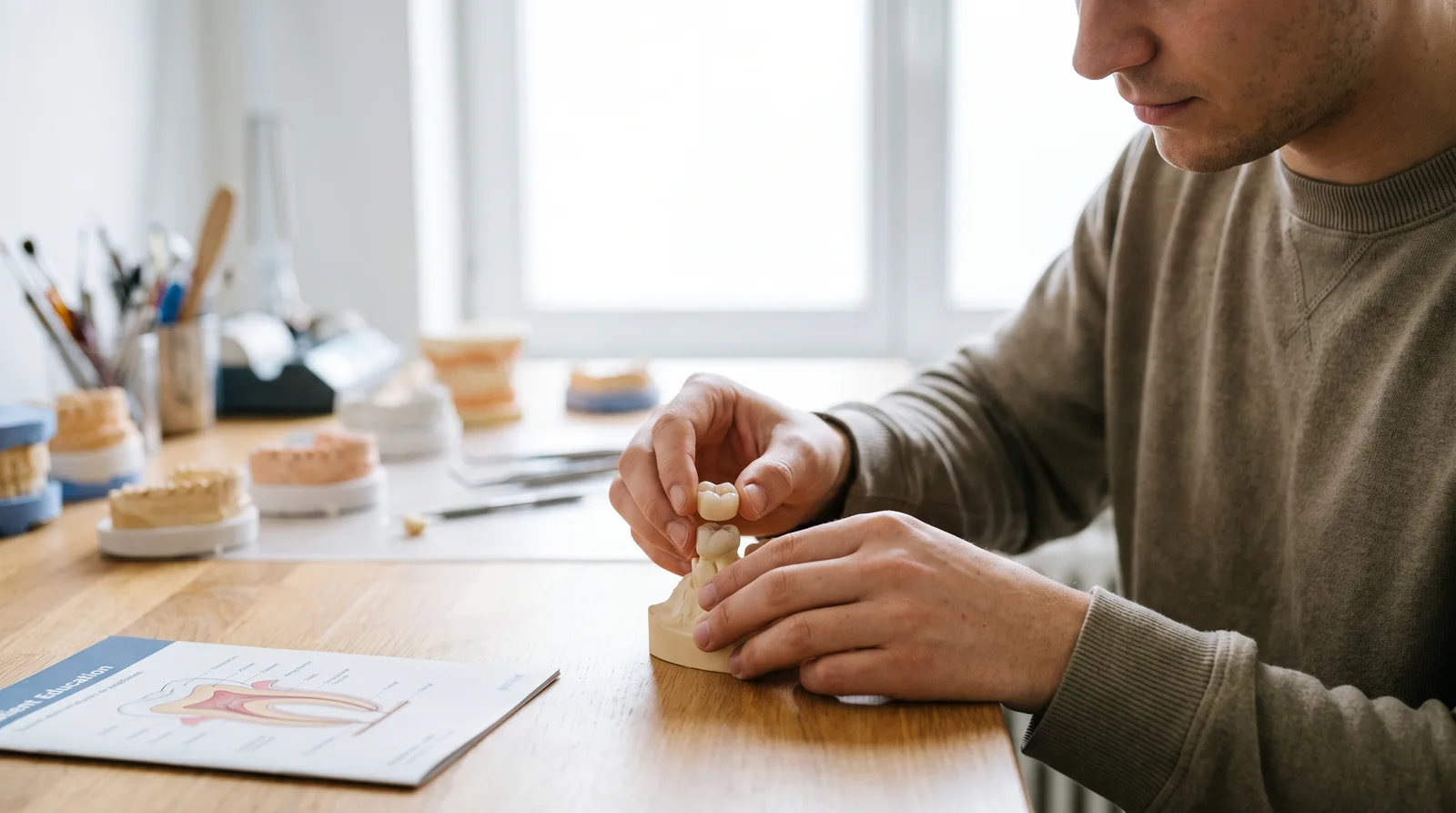
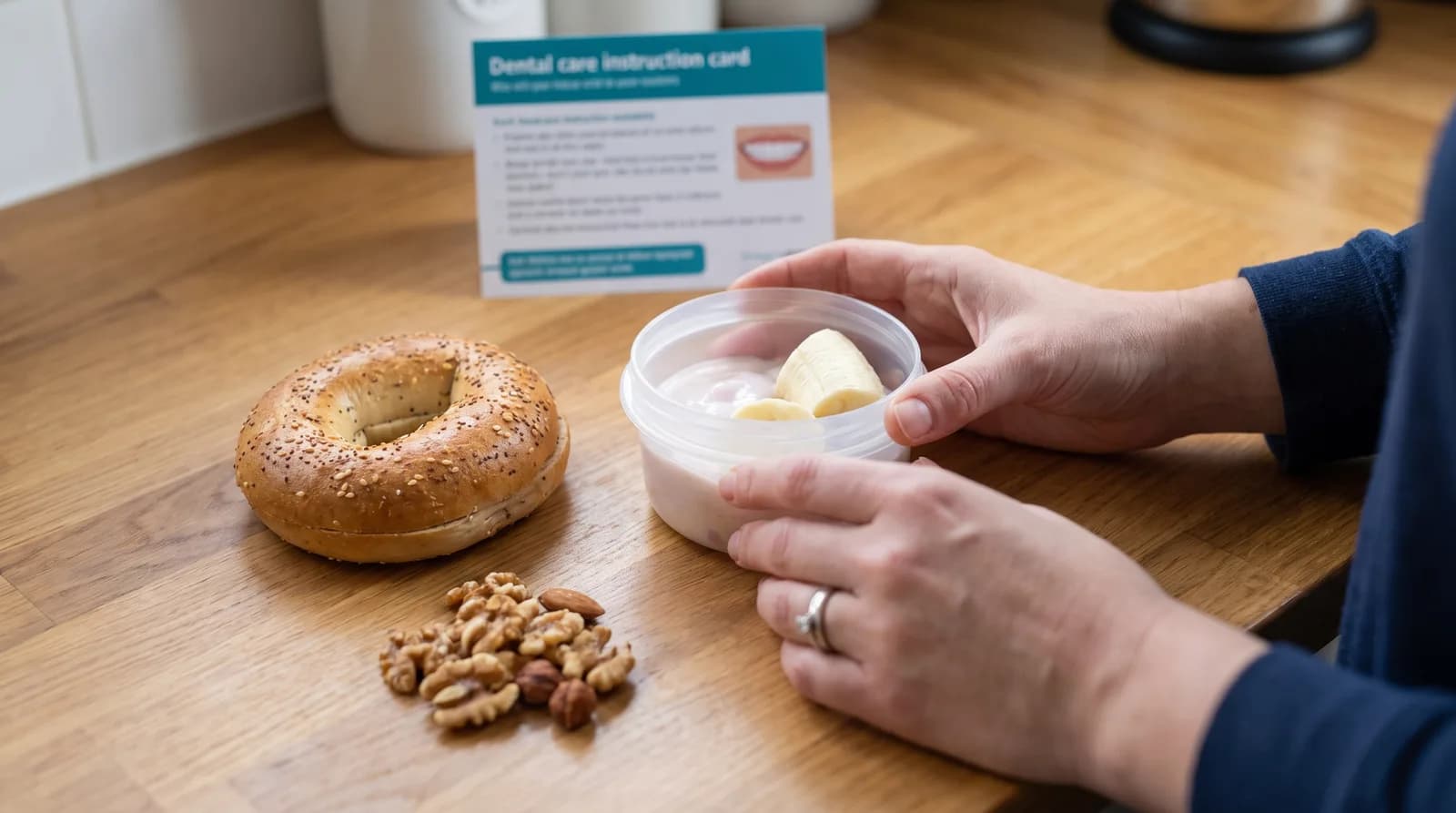
Temporary crown care tips: what to avoid eating, how to floss carefully, and what to do if it comes loose or falls off entirely.
Sep 13, 20269 min read


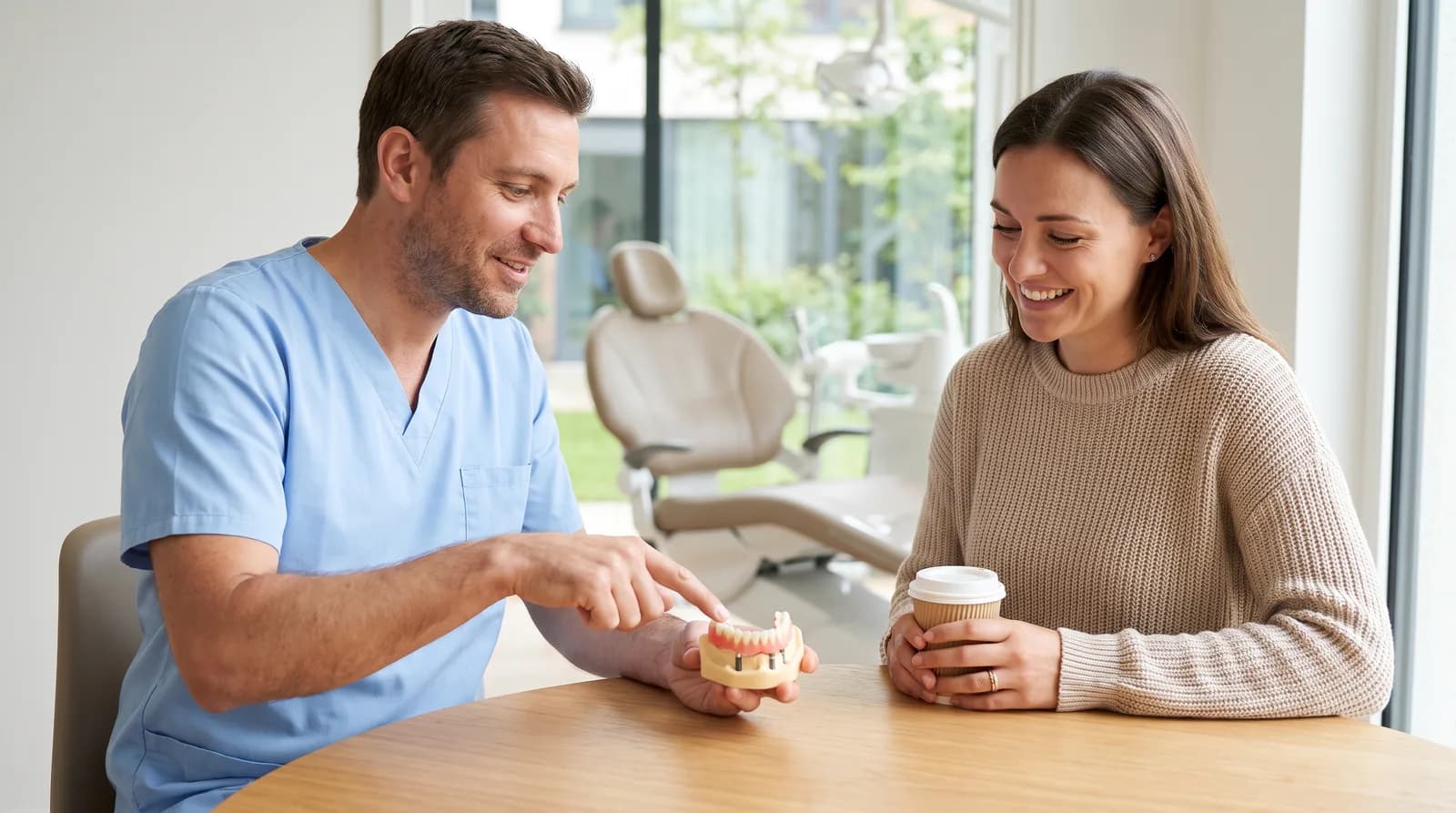
Finding the right all on x implant restoration dentist matters more than most patients realize, because two very different providers are involved in this treatment, and it helps to know which one does what. The surgical team places the implants in your jaw. A restorative dentist, like the team at Susan J. Curley DDS, designs, fits, and delivers the final crown-and-bridge prosthesis that sits on top of them. This article focuses on that second phase, since it's the part most patients have the most questions about once surgery is behind them.
If you've already had your implants placed, or you're comparing providers before starting treatment, understanding exactly where the restorative phase begins and ends will save you a lot of confusion about who to call for what.
An All-on-X case uses a set number of implants, typically four to six, to support a full-arch fixed bridge that replaces an entire row of teeth. The "X" refers to however many implants your specific case uses, since the exact number depends on your jawbone and treatment plan.
This approach differs from replacing a single tooth or a few teeth with individual implants. Instead of one implant per missing tooth, a small number of strategically placed implants support an entire arch of prosthetic teeth, distributing the bite force across all of them. It's a full-mouth solution, most often used for patients missing most or all of their teeth in the upper or lower jaw, or transitioning away from a removable denture.
Patients often confuse All-on-X with individual implant crowns or a traditional implant-supported denture, but the fixed bridge design is what sets it apart. Unlike a removable denture that snaps in and out, an All-on-X bridge is secured to the implants and functions much closer to natural teeth day to day. That permanence is a major reason patients choose it, but it also means the restorative phase needs to get the fit right the first time, since adjustments later are more involved than simply relining a denture.
A general or restorative dentist's role in an All-on-X case is designing and delivering the final bridge that attaches to your implants, not placing the implants surgically. That surgical step is handled by an oral surgeon or periodontist who specializes in implant placement.

At Susan J. Curley DDS, this means we take detailed impressions or digital scans of your implants once they've healed, work with a dental lab to design a bridge that fits your bite and matches your smile, and fit and deliver that final prosthesis. We coordinate closely with your surgical provider throughout, sharing imaging and treatment notes so nothing falls through the cracks between the two phases.
This division of labor exists for a reason. Surgical placement and prosthetic design require different training and different equipment. A specialist who places implants routinely stays sharp on the surgical side. A restorative dentist who works with full-arch cases regularly develops an eye for bite mechanics, shade matching, and long-term wear that a purely surgical practice doesn't need to specialize in. Patients sometimes assume one provider handling everything would be simpler, but in practice, having each phase led by the provider most focused on it tends to produce a better final result overall.
The restorative phase begins once your implants have fully healed and fused with your jawbone, and it involves several visits to design, verify, and deliver your final bridge. Rushing this phase to save time usually costs more time later if the fit isn't right.
Here's the general sequence:
Most patients need two to four appointments during this phase, spaced a few weeks apart to allow time for lab work between visits.
Already had your implants placed?
Dr. Curley can review your healing progress and start planning your final bridge restoration.
Request an Appointment →The surgical phase involves placing the implant posts into your jawbone and typically takes one appointment plus a healing period. The restorative phase involves designing and delivering the visible bridge, and it happens entirely after healing is confirmed.
Our guide to the dental implant process walks through both phases from consultation to final crown in more detail. For All-on-X cases specifically, the surgical phase is where an oral surgeon or periodontist determines implant number, placement angle, and depth based on your bone density and jaw anatomy. Everything after that, matching your bite, designing the bridge, choosing materials, and fitting the final prosthesis, falls to your restorative dentist. Splitting these roles isn't a workaround. It's the standard structure across nearly every All-on-X case, regardless of which practice coordinates your care.
The restorative phase for an All-on-X case typically takes four to eight weeks from your first scan to final delivery, once healing has been confirmed. Lab turnaround time is usually the biggest factor in how long this stretch takes.
That timeline can extend if adjustments are needed after your try-in appointment, which is common and not a sign anything went wrong. A bite that feels slightly off, or a bridge that needs minor shade or contour changes, gets caught specifically because there's a verification step built into the process. Skipping that step to save a few weeks tends to backfire once the final bridge is in your mouth permanently.
Some patients arrive expecting the restorative phase to be quick since the "hard part," the surgery, is already behind them. In practice, the restorative phase requires just as much precision. A bridge that's even slightly off in bite alignment can cause discomfort or uneven wear for years if it isn't caught during the try-in stage, which is exactly why we build that checkpoint into every case rather than rushing straight to a final delivery.
All-on-X bridges are typically made from zirconia, a titanium framework with an acrylic or composite overlay, or a combination of both, depending on your bite forces and budget. Each material offers a different balance of strength, appearance, and cost, and the right choice usually comes down to how you use your bite day to day.
| Material | Strength | Appearance |
|---|---|---|
| Zirconia | Very high, resistant to chipping | Natural, tooth-like translucency |
| Titanium with acrylic overlay | High framework strength | Good, acrylic can wear or stain over time |
| Metal-ceramic (PFM) | High, well-established track record | Very good, slight metal margin possible |
A five-year study of full-arch metal-ceramic implant-supported prostheses found 99.8% implant-level survival and 98.8% prosthesis-level survival, which reflects how reliable well-planned full-arch restorations tend to be regardless of the exact material chosen. Dr. Curley will walk you through which option fits your bite pattern, budget, and how much you grind or clench, since that affects which material holds up best over time.
Caring for an All-on-X restoration involves daily cleaning under and around the bridge, regular dental visits, and avoiding habits that put excess stress on the prosthesis. It functions like natural teeth day to day, but it still needs specific attention a natural bite doesn't.

The most common oversight is cleaning only the visible surface of the bridge and skipping underneath it, where plaque builds up against the gum tissue and implant posts. A water flosser or specific floss threaders designed for bridges make this easier than it sounds. MouthHealthy, the ADA's patient education site, notes that crowns and full-arch restorations still need daily brushing and flossing exactly as natural teeth would, since the gum tissue and bone underneath remain vulnerable to disease.
A few habits make the biggest difference in how long an All-on-X restoration lasts:
Regular checkups let us catch small issues, a loose screw, a hairline chip, minor gum irritation, before they become expensive problems. Most complications with All-on-X restorations are manageable when caught early, and the difference between a quick adjustment and a full remake usually comes down to how soon it's addressed.
Dental insurance coverage for the restorative phase of an All-on-X case varies significantly by plan, and the surgical and restorative portions are almost always billed and covered separately from one another. Many plans cap major restorative work at an annual maximum that a full-arch case can exceed quickly.
Our breakdown of what actually drives dental implant cost covers pricing factors in more depth. For All-on-X cases specifically, expect the restorative bridge to be quoted and billed as its own line item, separate from the surgical placement fee charged by your specialist. Some plans cover a percentage of the restorative crown work under major services; others treat full-arch prostheses as a specific, capped benefit.
The team at Susan J. Curley DDS verifies your restorative benefits and gives you a clear cost estimate before any lab work begins, so there's no surprise between your try-in appointment and your final bill.
Ready to plan your restorative phase?
We'll walk you through timeline, materials, and cost before any lab work begins.
Book Appointment →Finding the right all on x implant restoration dentist comes down to understanding what that role actually covers: the crown-and-bridge phase that follows surgical placement, not the surgery itself. Susan J. Curley DDS handles that restorative work closely, coordinating with your surgical provider so the transition between phases feels well organized rather than like two separate treatments. Patients who understand this split going in tend to have fewer surprises about who to call at each stage of treatment. Results may vary. Please consult with your dentist at Susan J. Curley DDS for personalized treatment recommendations.
Ready to complete your All-on-X case?
Schedule your restorative consultation at Susan J. Curley DDS and get a clear plan for your final bridge.
Book Appointment →Curious what drives the total cost?
See what drives dental implant cost in NJ →Written By
Dentist
Temporary crown care tips: what to avoid eating, how to floss carefully, and what to do if it comes loose or falls off entirely.
Cost of veneers NJ: what actually drives the price, from the number of veneers to material choice and treatment planning.
Crown after root canal: why almost every treated tooth needs one, what happens if you skip it, and the right treatment timeline.
Book your visit with Dr. Curley online or call us, and we'll take it from there.