What to Eat After Dental Surgery: A Recovery Menu Guide
Dr. Susan J. Curley, DDSJuly 29, 202611 min read
Key Takeaways
Stick to cold, soft foods like yogurt and mashed potatoes for the first 24 to 48 hours after dental surgery.
Skip straws entirely for at least a week. The suction can dislodge a healing clot and cause dry socket.
Most patients return to a normal diet within 7 to 10 days, though wisdom teeth removal can take longer.
Crunchy, spicy, acidic, or very hot foods belong on the avoid list until your dentist clears you.
Call Susan J. Curley DDS if swelling worsens after day three or you notice fever or a bad taste near the site.
Figuring out what to eat after dental surgery recovery shouldn't be another thing to stress about the night before your appointment. The short answer: cold, soft foods like yogurt and mashed potatoes for the first two days, then a gradual return to solid food over the following week. Whether you're having a tooth extracted, a wisdom tooth removed, or a crown placed, the right foods in the first week make healing faster and a lot more comfortable. Our general dentistry team at Susan J. Curley DDS put together this recovery menu so Wall Township patients know exactly what to stock in the fridge beforehand.
Most patients don't think about groceries until they're already home, groggy, and wondering what's actually safe to eat. That's the wrong time to figure it out. If the procedure itself made you nervous, you're far from alone: about 36% of Americans report some level of dental anxiety, according to a 2024 BMC Oral Health study, and sedation options can make the appointment itself far more comfortable. Planning the food side of recovery ahead of time removes one more source of stress.
Below, you'll find a day-by-day menu, a clear avoid list, and answers to the questions patients ask most after a procedure. Not sure which category your procedure falls into? Skim the timeline in the middle of this guide first, then come back to the section that matches your situation.
Just had a procedure scheduled?
Stock your kitchen before your appointment so recovery day is one less thing to plan.
What to Eat After Dental Surgery Recovery: The First Few Hours
Right after dental surgery, stick to cold, soft foods for the first few hours: think yogurt, applesauce, or a protein shake sipped straight from the glass. Cold temperatures help control swelling, and soft textures avoid disturbing the surgical site while local anesthetic wears off.
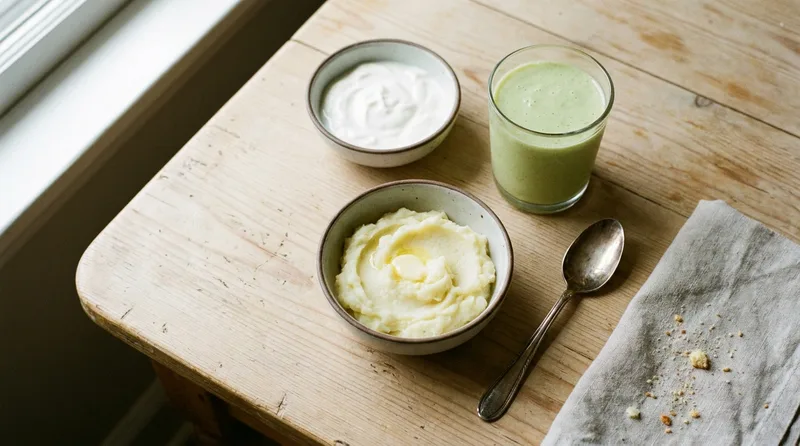
A soft, cold-friendly plate like this covers the first 48 hours after surgery.
Ice pops and smoothies are popular choices in the first six hours. They require zero chewing and the cold sensation numbs the area gently. Some patients feel a little groggy from sedation, so a caregiver should handle anything that needs to be heated or blended.
Don't skip meals just because chewing feels strange. Your body needs calories and protein to heal, and an empty stomach can make nausea from anesthesia worse. A small, cold snack every few hours works better than forcing down a full plate at one sitting.
Hydration matters just as much as food during those first few hours. Sip water regularly, but again, no straws. Warm (not hot) herbal tea, sipped slowly from the cup, is a gentle option once any numbness has fully worn off.
Plain Greek yogurt (no granola or crunchy toppings)
Applesauce or well-blended fruit puree
Protein shakes, sipped from the glass, never a straw
Ice pops without hard candy pieces
Room-temperature broth once the numbness fades
What Foods Are Safest in the First 3 Days?
In the first three days, the safest foods are mashed, blended, or so soft a fork cuts them without effort: mashed potatoes, oatmeal, scrambled eggs, and well-cooked pasta. Avoid anything that requires heavy chewing near the surgical area, since that can disturb healing tissue and the blood clot underneath.
By day two, most patients can tolerate slightly more texture. A well-cooked, mashed sweet potato or a soft macaroni and cheese works fine. That said, chew on the opposite side of your mouth from the surgical site whenever possible. Small habit, big difference in comfort.
Soup is one of the easiest wins during this window, as long as it's not scalding hot and doesn't contain chunky vegetables or noodles that need real chewing. Pureed vegetable soups, cream-based soups, and broth with soft rice all fit the bill. A single bowl can cover a meaningful share of your daily calories without any strain on the healing site.
Scrambled eggs deserve a specific mention because they check every box: soft, high in protein, and quick to make. Cottage cheese and silken tofu are two more protein sources that require essentially no chewing at all, which matters more than people expect. Healing tissue needs protein, and it's easy to under-eat it during a week of soft foods.
Your recovery menu should shift day by day: cold and blended foods on days one and two, soft mashed foods on days three through five, and a gradual return to normal chewing after day six. Every mouth heals at its own pace, so let comfort guide the timeline.
Think of this table as a starting point rather than a strict rulebook. Some patients feel ready to move a day earlier than listed; others need an extra day or two, especially after a surgical extraction or an impacted wisdom tooth. If chewing still feels uncomfortable on the day the table suggests solid food, stay a day longer on the softer stage.
Recovery Day
Texture
Example Meals
Day 1-2
Cold, blended
Yogurt, protein shakes, applesauce, ice pops
Day 3-5
Soft, mashed
Mashed potatoes, oatmeal, scrambled eggs, soft pasta
Day 6-7
Soft solids
Baked fish, soft rice, well-cooked vegetables
Day 8+
Normal diet
Gradual return to your usual meals, chewing gently
Keep a running list of what you've eaten and how your mouth responded each day. It sounds unnecessary, but patients who track it tend to catch a slow-healing area early, before it turns into a bigger problem. If day 4 mashed potatoes suddenly feel uncomfortable when day 3 felt fine, that's worth a call rather than pushing through.
Not sure which timeline fits your procedure?
Every mouth and every procedure heals a little differently. Our team can walk you through what to expect.
Skip crunchy, spicy, acidic, or extremely hot foods for at least a week after surgery, since each one can irritate the site or dislodge a healing clot. Chips, nuts, citrus, and hot soup all belong on the avoid list until your dentist says otherwise.
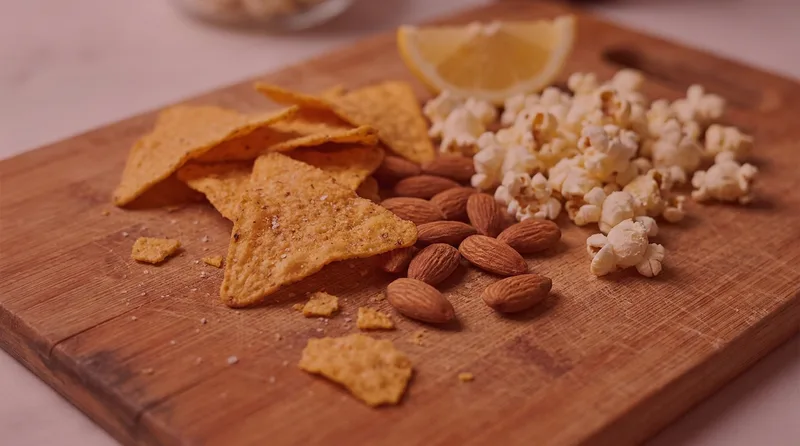
Crunchy, acidic, and sticky foods are the ones most likely to slow healing.
Chips, crackers, popcorn, and nuts. Popcorn is a repeat offender in emergency calls, since hulls get lodged directly in the socket and are nearly impossible to remove yourself.
Spicy foods like hot sauce or chili, which irritate exposed tissue and can turn a mild ache into a genuinely uncomfortable evening.
Citrus fruit and juice.
Alcohol, which interferes with healing and can interact with prescribed pain relievers or antibiotics.
Anything served through a straw, including milkshakes and iced coffee, no matter how soft the drink itself is.
Very hot beverages or soup, since heat increases blood flow to the area and can worsen swelling or bleeding.
Sticky foods deserve their own warning too. Caramel, taffy, and even some granola bars can pull at stitches or get wedged in a socket that hasn't fully closed. When in doubt, ask whether a food needs real chewing to break down. If the answer is yes, it waits until later in the week.
How Long Until You Can Eat Normally Again?
Most patients return to a normal diet within 7 to 10 days, though the exact timeline depends on the procedure. A simple filling barely changes what you eat, while wisdom teeth removal or a surgical extraction can call for two full weeks of modified meals.
Age, how well you follow the post-op instructions, and whether you smoke all affect the pace of healing too. Smoking specifically slows tissue repair and raises the risk of complications, so most dentists recommend avoiding it entirely during recovery.
A single crown or filling usually needs nothing more than a day of caution around the numb side of your mouth. A single, straightforward extraction typically calls for 3 to 5 days of soft foods. Multiple extractions or an impacted wisdom tooth removal, on the other hand, often means a full week or two of the modified menu described above, especially if stitches were placed.
Younger patients in their teens and twenties tend to heal faster than adults over 40, purely as a matter of biology. That doesn't mean an older patient is doing anything wrong if the timeline runs longer. It just means patience matters more, not less.
Smoothies and protein shakes make excellent recovery meals because they pack in calories and nutrients without any chewing at all. Just skip the straw. The suction can dislodge a healing clot and lead to an uncomfortable complication called dry socket.
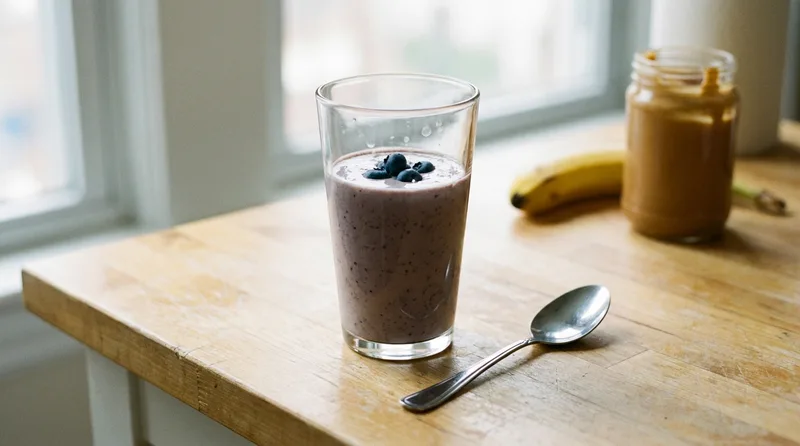
Sip smoothies with a spoon. The suction from a straw can disturb a healing clot.
A good post-surgery smoothie blends Greek yogurt, a ripe banana, and a scoop of protein powder. Add spinach for extra nutrients once you're a day or two in. Sip it slowly with a spoon instead of drinking it straight down, which also helps you avoid overeating on an empty, slightly numb stomach.
Peanut butter or almond butter, blended in rather than spread thick, adds healthy fat and extra protein without any texture that could catch on the surgical site. Avocado works the same way and blends into almost any smoothie without changing the flavor much. Both are easy additions if you're struggling to hit your usual calorie intake on soft foods alone.
Watch the sugar content on store-bought protein shakes and smoothie mixes. Some pack in as much sugar as a dessert, which isn't ideal for gum tissue that's actively trying to heal. A homemade version gives you control over exactly what goes in.
What Nutrients Actually Help You Heal Faster?
Protein, vitamin C, and zinc do the heaviest lifting during dental recovery, since protein rebuilds tissue, vitamin C supports collagen formation, and zinc plays a direct role in wound healing. A soft-food diet can accidentally fall short on all three if you're not paying attention.
Greek yogurt, eggs, and blended lentil soup are easy protein sources that need no chewing. For vitamin C, mashed banana, cantaloupe, and pureed berries work well without the acidity of citrus. Pumpkin seeds blended into a smoothie or a small serving of soft-cooked spinach can help cover zinc, though a dentist or physician can advise on supplements if your diet feels thin during a longer recovery.
Hydration is easy to overlook too. Water supports every stage of healing, and dehydration can make swelling and discomfort feel worse than they actually are. Aim for consistent small sips throughout the day rather than large amounts at once, especially in the first 48 hours.
When Should You Call Your Dentist About Recovery Symptoms?
Call your dentist if swelling worsens after day three, if discomfort intensifies instead of easing, or if you notice a fever, bad taste, or pus near the site. According to the ADA Health Policy Institute, dental issues account for roughly 2 million emergency room visits per year in the US, and a treatable dental infection is a common culprit behind many of those visits.
Left untreated, a dental abscess can spread to other parts of the body within 48 hours, according to JADA (the Journal of the American Dental Association). That timeline is exactly why a fever or facial swelling that keeps growing after day three is never something to wait out over a weekend. Reference our Mayo Clinic's overview of dry socket for a full symptom checklist.
Trust your gut here. A little swelling and mild discomfort on day two is normal; a fever spiking on day four is not. The American Dental Association's patient guidance lists persistent bleeding, severe swelling, and foul-smelling discharge as reasons to call right away rather than waiting for a scheduled follow-up.
Dry socket deserves a special mention because it's common enough that most patients should know the signs: a dull, radiating discomfort that starts two to four days after an extraction, sometimes with visible bone in the socket instead of a dark clot. It isn't dangerous on its own, but it does need prompt attention to keep healing on track.
Staying vigilant matters well past this recovery week too. About 42% of adults aged 30 and older have some form of periodontal disease, according to the CDC, and most of it starts silently, without the obvious warning signs a surgical site gives you.
Results may vary. Please consult with your dentist at Susan J. Curley DDS for personalized treatment recommendations.
The single most useful habit during recovery isn't a specific food. It's patience: following the soft-food timeline even on the day you feel fine, because a healing clot doesn't care how good you feel. Stock the fridge before your appointment, keep a spoon within reach instead of a straw, and let the calendar, not your appetite, decide when you're ready for solid food again. Regular visits after you've healed matter too. The ADA reports that routine dental checkups catch 80% of oral health issues before they become serious, which is the easiest way to avoid needing a recovery menu like this one again.
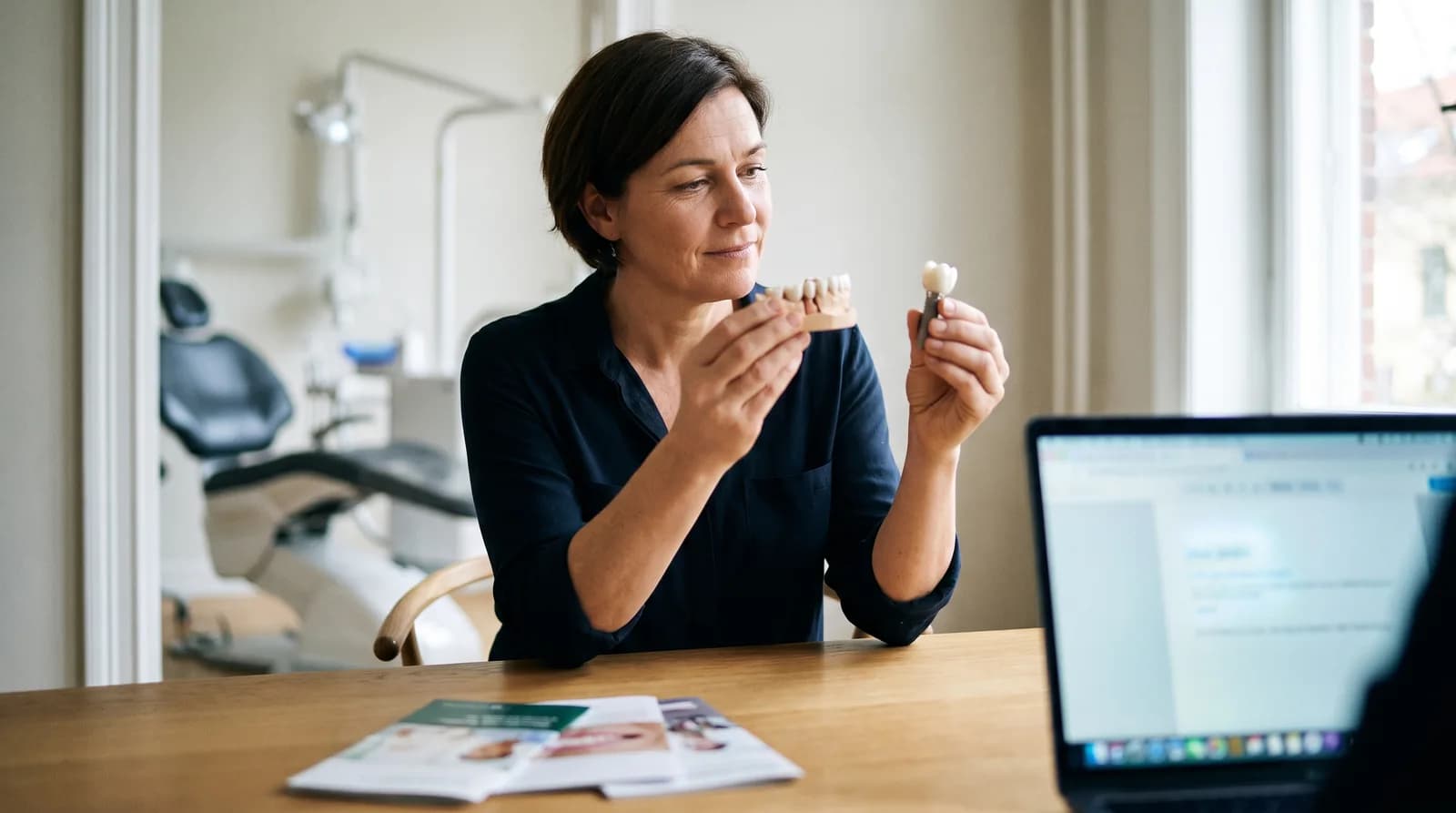
Have a procedure coming up?
Susan J. Curley DDS will walk you through exactly what to expect and how to prepare, before you ever sit in the chair.