crowns
Temporary Crown Care Tips: What to Avoid Before Your Crown
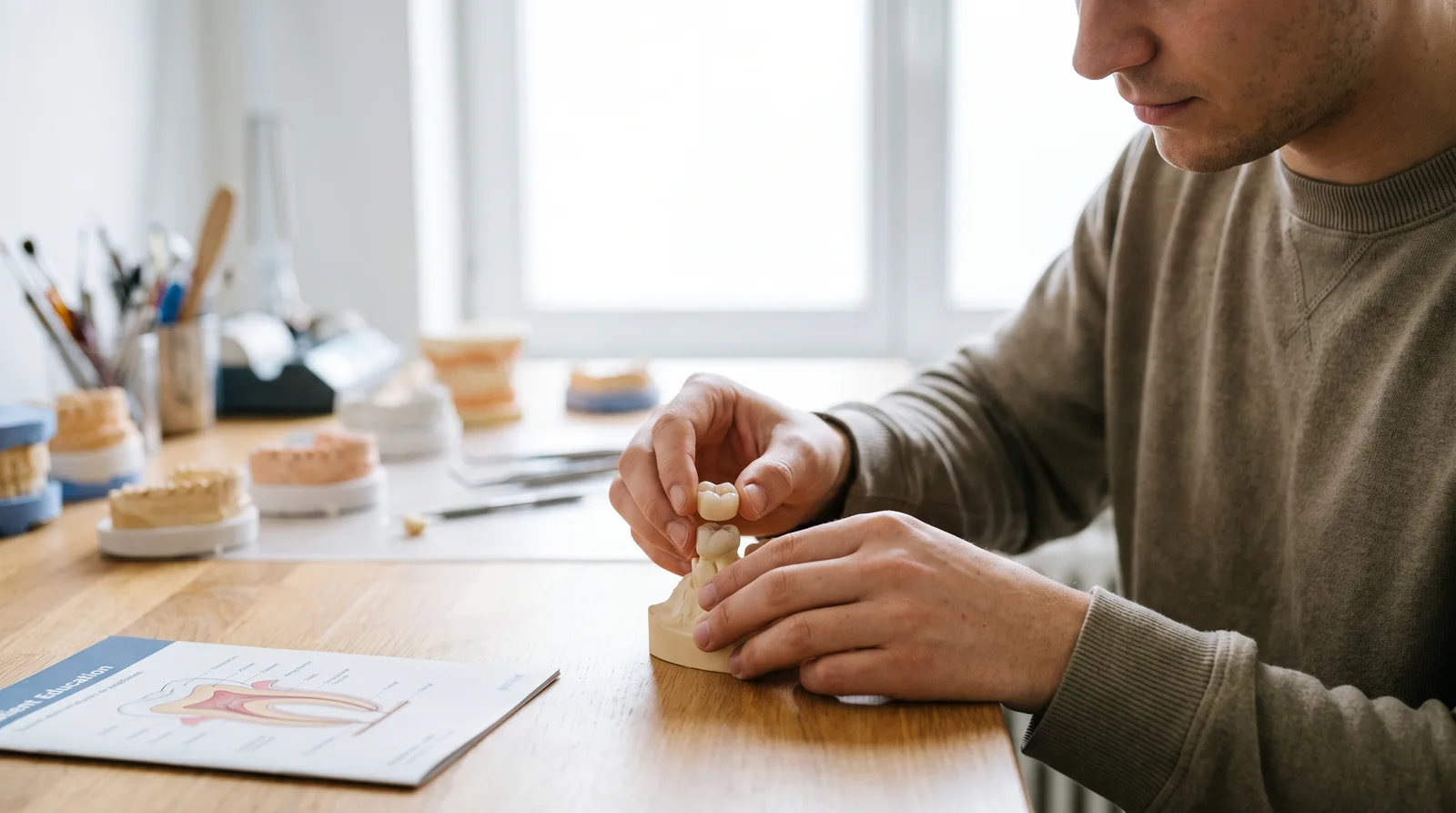
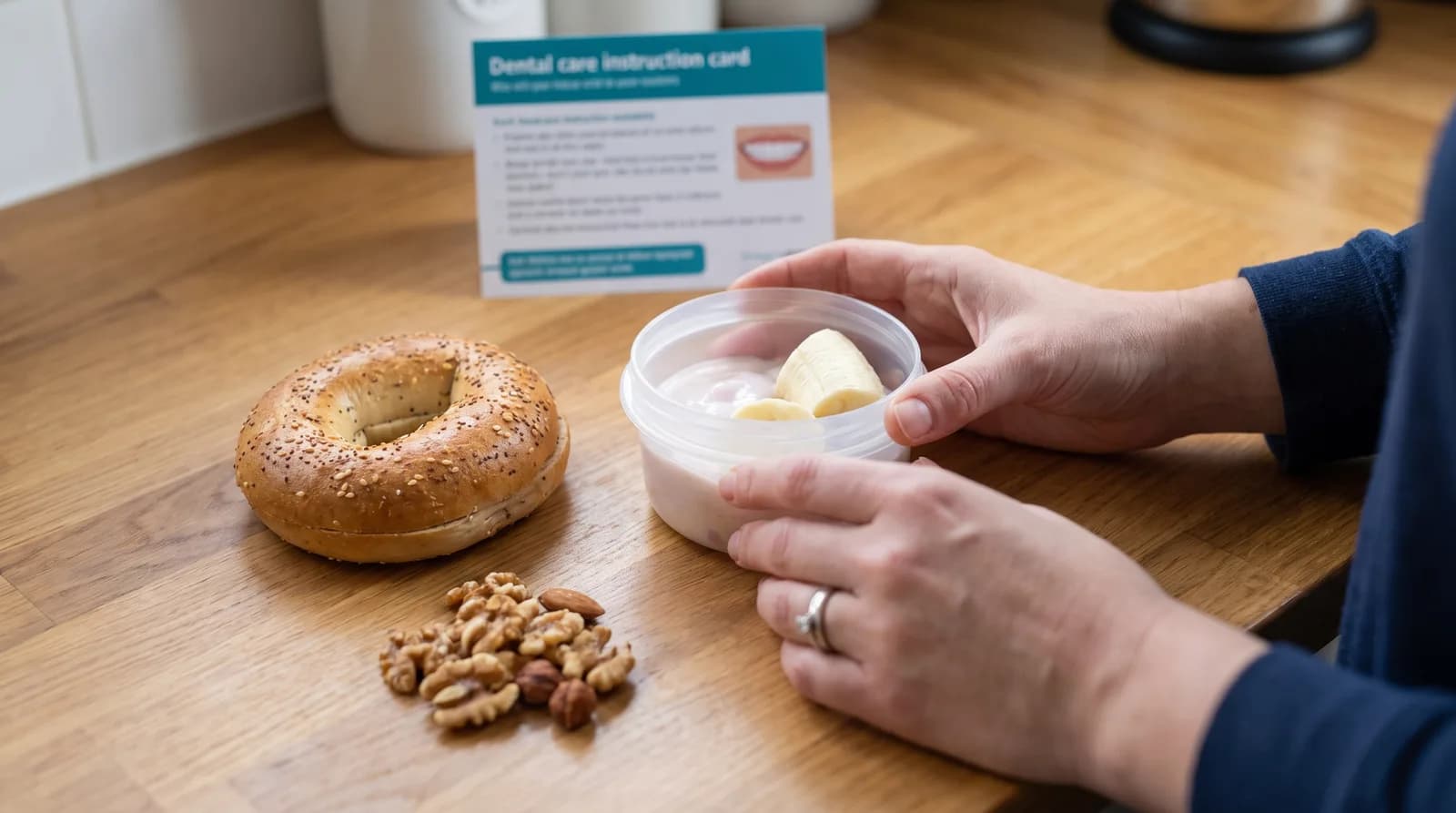
Temporary crown care tips: what to avoid eating, how to floss carefully, and what to do if it comes loose or falls off entirely.
Sep 13, 20269 min read



Are veneers reversible? It's one of the most common questions patients ask before committing, and it's a fair one. Cosmetic changes to your front teeth feel like a bigger decision than most dental work, and understanding exactly what's permanent versus what isn't makes that decision a lot easier. Our cosmetic dentistry team at Susan J. Curley DDS walks through exactly what changes, and what doesn't, below.
This question, are veneers reversible, tends to surface late in the decision process, often right before scheduling a consultation, once the excitement of a new smile meets the reality of a permanent procedure. That timing makes sense. It's much easier to ask "what if I don't like it" before any enamel has been touched than after.
If you're still weighing veneers against bonding as two separate options, our veneers vs bonding comparison guide covers durability, cost, and which fits different situations. This guide focuses specifically on the reversibility question, since it's often the deciding factor patients care about most.
It's a reasonable thing to want: a change you can walk back if it doesn't turn out the way you pictured. Cosmetic dentistry has options across that entire spectrum, from fully reversible to genuinely permanent, and knowing where each one lands helps you choose with your eyes open rather than finding out later.
Want to know exactly what your case requires?
A consultation confirms how much enamel prep your teeth would actually need.
Book an Appointment →Traditional veneers are not reversible because a thin layer of enamel, typically 0.5 millimeters, is removed from the front of the tooth to make room for the veneer. Enamel doesn't regenerate once it's gone, so that tooth will always need some form of covering afterward.
This removal isn't done carelessly. It's a deliberate, minimal amount that allows the veneer to sit flush with your natural tooth structure rather than looking bulky or overly thick. But even a small, precise amount of enamel removal is still permanent, which is exactly why dentists take time discussing this step before moving forward.
Enamel is the hardest substance in the human body, but according to ADA patient education resources, it has no living cells and cannot repair or regrow itself once it's removed or worn away. That's true whether the loss comes from a veneer preparation, decay, or everyday wear, which is part of why dentists are conservative about removing any more than necessary.
It's worth putting this in perspective too. Plenty of routine, widely accepted dental procedures also permanently alter tooth structure, including fillings and crowns. Veneers aren't unusual in that respect; the difference is simply that veneers are elective, cosmetic procedures rather than treatments for decay or damage, which is exactly why the reversibility question feels more pressing here than it does for a filling.
No-prep veneers remove little to no enamel, making them significantly closer to reversible than traditional veneers. They work best for teeth that are naturally smaller, have some spacing, or don't need much correction to look right.
The tradeoff worth understanding upfront is thickness. Since little to no enamel is removed to make room, the veneer itself has to be thin to avoid looking bulky against the surrounding teeth. That thinness can limit how dramatic a color or shape change is realistically achievable, which is why no-prep veneers tend to work best for subtle corrections rather than a complete smile overhaul.
Not every case qualifies for no-prep veneers, though. Larger corrections, significant discoloration, or teeth that are already crowded often still need some enamel removal to achieve a natural-looking result. A consultation is the only reliable way to know whether your specific teeth are candidates for the no-prep approach.
| Option | Enamel Removed | Reversibility | Typical Lifespan |
|---|---|---|---|
| Traditional Veneers | ~0.5mm | Not reversible | 10-15+ years |
| No-Prep Veneers | Little to none | Closer to reversible | 5-10 years |
| Composite Bonding | Minimal to none | Reversible | 5-7 years |
Curious if no-prep veneers fit your smile?
Not every tooth qualifies, but it's worth a conversation before assuming either way.
Contact Us →If you change your mind after getting veneers, the tooth can typically be fitted with a new veneer in a different shape, shade, or style, but it can't return to a completely untouched, natural state. The prepared tooth structure underneath stays that way permanently.
This concern comes up most often around shade selection. Patients occasionally choose a shade that feels slightly too bright once it's placed next to their natural smile in daily lighting, or one that feels slightly dated a few years later as preferences shift. The good news is that replacing a veneer with a different shade is a far simpler procedure than the original placement, since the tooth is already prepared to receive one.
This is one of the most important conversations to have before moving forward, especially for patients who are unsure about shape, shade, or overall look. Digital previews and temporary veneers during the process both help patients see and adjust the result before the final, permanent veneers are placed.
A few steps before the final veneers go on give you the best chance of being genuinely happy with the outcome:
Composite bonding is generally the more reversible cosmetic option, since a dentist can often remove the bonded material and polish the tooth back close to its original shape, with little to no enamel removed in the first place.
Bonding trades some durability for that reversibility. It typically lasts 5 to 7 years compared to 10 to 15 or more for porcelain veneers, and it's more prone to staining and chipping over time. For patients specifically prioritizing the ability to change course later, that tradeoff is often worth it.
The reason bonding is more reversible comes down to how it's applied. Composite resin is bonded directly onto the tooth's surface using a mild etching process, rather than requiring the tooth to be reduced in size first. A dentist can typically remove that resin and polish the tooth without permanently altering its underlying structure. According to the CDC's oral health resources, minimally invasive cosmetic options like bonding are increasingly preferred by patients who want flexibility alongside an improved appearance.
Deciding between a reversible and a permanent cosmetic option comes down to how confident you are in the change, how long you want it to last, and how much of a factor cost plays over time, since veneers and bonding land in different places on all three.
Patients who are certain about the look they want and prioritize long-term durability tend to lean toward veneers despite the permanence. Patients who want to test a change, are working with a tighter budget upfront, or simply prefer keeping future options open tend to lean toward bonding instead. Neither answer is universally right; it depends entirely on your own priorities.
Age and life stage play into this too, more than patients often expect. Someone in their twenties who anticipates their preferences might shift over the next decade may lean toward the flexibility of bonding, while someone who has wanted a specific smile for years and finally has the means to pursue it may feel entirely comfortable with the permanence of veneers. Neither approach is more "correct" than the other; they simply serve different situations.
Cost over time is worth factoring in honestly as well. Bonding costs less upfront but needs touch-ups and eventual replacement more often, while veneers cost more initially but often go a decade or longer between replacements. Add up the realistic cost over 10 to 15 years, not just the number quoted for the first procedure, to get an accurate comparison. Insurance rarely covers either option, since both are typically classified as elective cosmetic procedures, so this is usually an out-of-pocket comparison either way. National data from the ADA Health Policy Institute shows that patients researching cosmetic options consistently rank long-term cost and reversibility among their top two deciding factors, alongside appearance itself.
Results may vary. Please consult with your dentist at Susan J. Curley DDS for personalized treatment recommendations.
The most important thing to walk away with on whether veneers are reversible: reversibility is a real, valid factor to weigh, not something to feel embarrassed about prioritizing. Traditional veneers are permanent, no-prep veneers are closer to reversible, and bonding remains the most reversible option of the three. Knowing which category matters most to you makes the rest of the decision much easier. There's no wrong answer here, only the answer that fits your specific situation, timeline, and comfort with permanence.
If you're still torn, bringing the question directly into your consultation is the most useful next step. Dentists field this exact concern regularly, and a conversation about your specific teeth, your specific goals, and how much permanence genuinely matters to you will clarify things far more than reading about it in the abstract ever could.
Ready to explore your options?
Susan J. Curley DDS will walk you through exactly what's reversible and what isn't for your specific smile.
Book Appointment →Prefer to talk it through first?
Call 732-681-8604 →Written By
Dentist
Temporary crown care tips: what to avoid eating, how to floss carefully, and what to do if it comes loose or falls off entirely.
Cost of veneers NJ: what actually drives the price, from the number of veneers to material choice and treatment planning.
Crown after root canal: why almost every treated tooth needs one, what happens if you skip it, and the right treatment timeline.
Book your visit with Dr. Curley online or call us, and we'll take it from there.