crowns
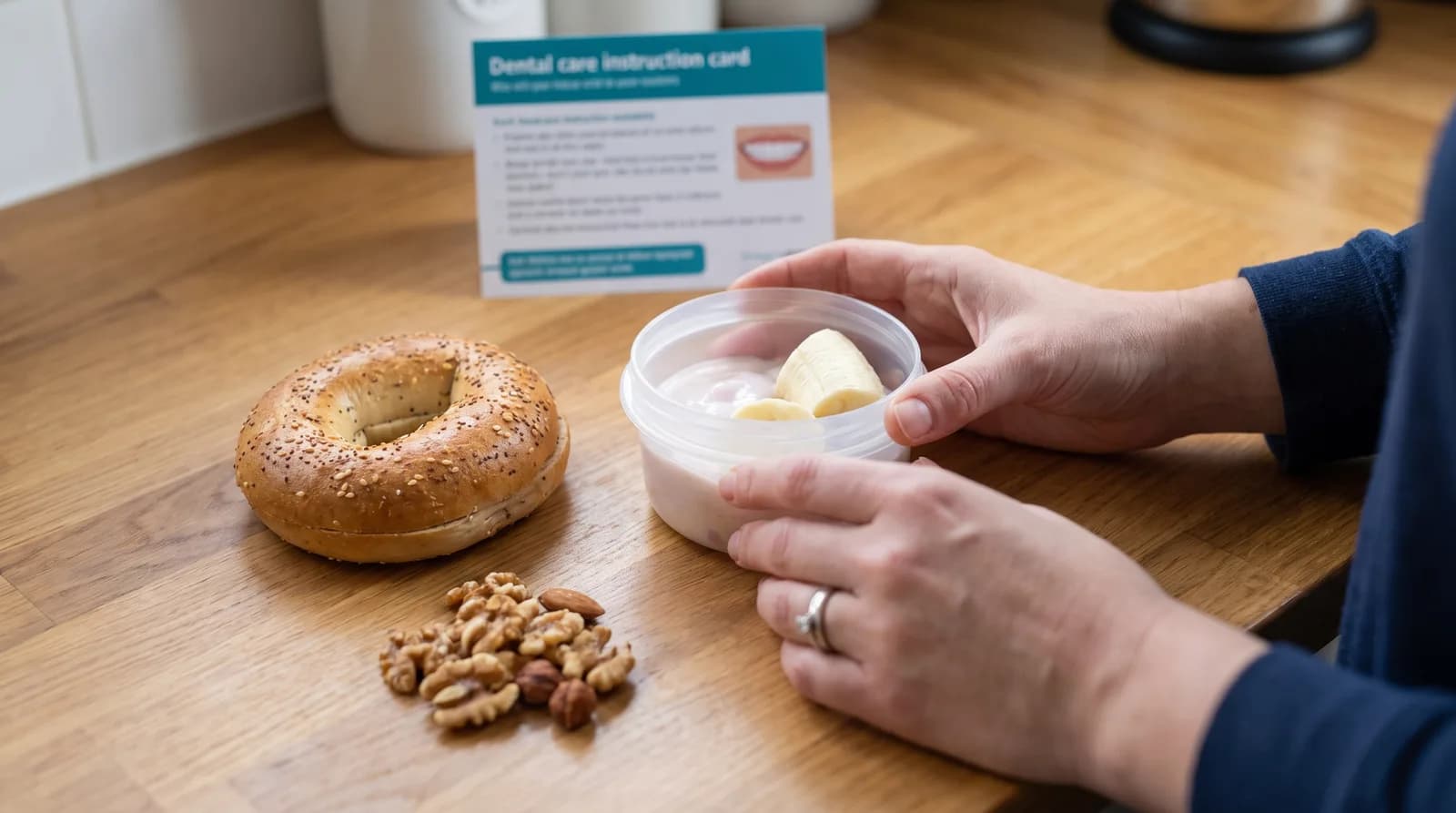
Temporary Crown Care Tips: What to Avoid Before Your Crown
Temporary crown care tips: what to avoid eating, how to floss carefully, and what to do if it comes loose or falls off entirely.
Sep 13, 20269 min read



Learning how to read dental treatment plan documents starts with one distinction that matters more than any specific line item: what's urgent right now versus what can reasonably wait. Once you understand that split, the rest of the document gets a lot less overwhelming.
This guide walks through what a typical treatment plan includes, how to tell priority work from optional work, and what to ask before agreeing to anything, part of the everyday general dentistry care at Susan J. Curley DDS. None of it requires a background in dentistry, just a willingness to ask a few direct questions.
A dental treatment plan is a written summary of recommended procedures based on your exam, x-rays, and any specific concerns you raised, usually organized by tooth, procedure type, and estimated cost. It's meant to give you the full picture before you decide what to move forward with.
Most treatment plans list each recommended procedure individually, sometimes grouped by urgency or by which teeth are involved. It's not a single take-it-or-leave-it package. It's closer to a menu of what your dentist found and recommends, organized so you can make informed decisions about sequencing and pace.
The format varies somewhat between practices, but the core information tends to be consistent: which tooth or teeth are involved, what procedure is recommended, an estimated cost, and often a note about how insurance is expected to apply. WebMD's dental health glossary is a useful reference if a specific term on your plan doesn't get explained clearly enough on the document itself. If any of those four pieces feels missing or unclear on your specific plan, that's worth flagging before you go any further.
Priority work addresses active problems, decay, infection, or damage that will likely get worse without treatment, while optional work covers improvements to appearance or comfort that don't carry the same clinical urgency. Both can appear on the same treatment plan.
The distinction isn't always black and white. A cracked tooth with no current pain might still be flagged as priority because the risk of it worsening is high, even without symptoms yet. Meanwhile, a cosmetic gap that's bothered you for years might feel urgent to you personally, even though it carries no clinical risk of getting worse if it waits. Clinical priority and personal priority aren't always the same thing, and a good treatment plan should make room for both conversations.
Here's a simple way to sort common treatment plan items:
A good treatment plan makes this distinction explicit rather than leaving you to guess which items are the ones that genuinely can't wait.
Confused by something on your treatment plan?
Bring it in and we'll walk through it line by line before you decide anything.
Request an Appointment →Items are genuinely urgent if they involve active pain, visible infection, a fracture at risk of worsening, or decay that's already reached the nerve. Your dentist should be able to explain, in plain terms, what happens if a specific item gets delayed rather than just labeling it "recommended."
Don't hesitate to ask directly: what happens if I wait six months on this specific item? A good answer describes a realistic progression, more decay, a bigger procedure later, possible pain, rather than a vague sense that everything on the list is equally pressing. That question alone tends to clarify most of the plan quickly.
It's also worth noticing when an answer feels vague. "It's generally better to take care of these sooner" is true of almost everything on any treatment plan, and it doesn't actually tell you much. A specific, concrete answer about your specific tooth is what distinguishes genuine urgency from a general recommendation that could apply to nearly any dental work.
Common terms like "prophylaxis," "scaling and root planing," "composite," and "crown prep" have specific meanings that aren't always explained on the document itself. A prophylaxis is a routine cleaning, while scaling and root planing is a deeper cleaning for gum disease specifically.
| Term | Plain-Language Meaning |
|---|---|
| Prophylaxis | A routine cleaning |
| Scaling and root planing | A deeper cleaning for gum disease |
| Composite | A tooth-colored filling material |
| Crown prep | Shaping a tooth to receive a crown |
| Occlusal | Relating to the biting surface of a tooth |
MouthHealthy, the ADA's patient education site, maintains a glossary specifically because dental benefit language often doesn't match how patients or even dentists talk about treatment day to day. If a term on your plan isn't clear, it's worth asking rather than assuming based on how it sounds. This is exactly the kind of small clarification that turns a confusing document into a straightforward one, without requiring any background in dentistry at all.
Costs are typically listed separately by category, preventive, basic, and major, because insurance plans cover each category at different percentages, and separating them makes it easier to estimate your actual out-of-pocket portion for each item. Combining everything into one number would hide that breakdown.
Preventive care like cleanings and exams is often covered at or near 100% by most plans. Basic procedures like fillings usually sit in the 70-80% range, while major work like crowns and root canals often drops to 50%. Seeing your treatment plan broken into these categories, rather than one lump total, is what lets you actually estimate what you'll owe rather than guessing based on the sticker price alone.

This categorization also affects sequencing. Since insurance benefits often reset annually, spreading major work across two calendar years, rather than doing everything in one, can sometimes reduce your total out-of-pocket cost. That's a scheduling conversation worth having once you understand which category each item falls into.
Yes, asking questions before agreeing to a treatment plan is expected and encouraged, not an imposition on your dentist's time. A good treatment plan should hold up to direct questions about urgency, alternatives, and cost without feeling rushed or defensive.
Here's a reasonable set of questions to work through:
A dentist confident in the plan will answer these clearly rather than discouraging the conversation. If you ever sense hesitation or vague deflection in response to a direct, specific question, that's worth noting, since it's a reasonable signal to seek a second opinion before committing to anything significant.
Yes, you can generally choose to complete only the priority items now and revisit optional work later, as long as delaying doesn't create a safety risk your dentist has specifically flagged. Most treatment plans are built to accommodate phased treatment, not an all-or-nothing decision.
Being upfront about budget or timing constraints usually leads to a more useful conversation than silently declining the whole plan. A dentist who knows you're prioritizing urgent items first can help sequence the rest in a way that makes sense for your situation, rather than assuming you've rejected the recommendations entirely. This kind of honest conversation tends to work better for everyone than quietly disappearing after a treatment plan that felt overwhelming. Most dentists would genuinely rather hear "I can only do the priority items for now" than have a patient simply not return for a follow-up visit.
If you're not sure about something on the plan, ask directly rather than guessing or skipping it silently. Our guide to what to expect as a new patient covers how the exam and treatment planning process typically unfolds from the very first visit, which can help set expectations if this is your first treatment plan with us.

If cost is the sticking point on any item, our comparison of CareCredit and Sunbit financing options covers ways to spread out payment for treatment that doesn't fit comfortably into a single payment. A confusing line item is worth a phone call before your next appointment, not something to sit with until you're already in the chair and feeling rushed to decide.
Got a treatment plan you want explained?
Bring it in, and we'll go through it together, no pressure to decide on the spot.
Contact Us →Learning how to read dental treatment plan documents mostly comes down to separating what's urgent from what can wait, understanding a handful of common terms, and asking direct questions when something isn't clear. None of that requires a dental background, just a willingness to ask before you sign off on anything. Once you've done it once, every future treatment plan gets easier to work through. Results may vary. Please consult with your dentist at Susan J. Curley DDS for personalized treatment recommendations.
Have questions about your treatment plan?
We'll walk through it with you, priority items and optional work both, before you decide anything.
Contact Us →New to the practice?
See what to expect at your first visit →Written By
Dentist
Temporary crown care tips: what to avoid eating, how to floss carefully, and what to do if it comes loose or falls off entirely.
Cost of veneers NJ: what actually drives the price, from the number of veneers to material choice and treatment planning.
Crown after root canal: why almost every treated tooth needs one, what happens if you skip it, and the right treatment timeline.
Book your visit with Dr. Curley online or call us, and we'll take it from there.