Patient Resources
Family Dentist Sea Girt NJ: Choosing a Practice Nearby
Searching for a family dentist Sea Girt NJ trusts? See how to choose the right practice near Sea Girt and Bradley Beach.
Aug 11, 202610 min read


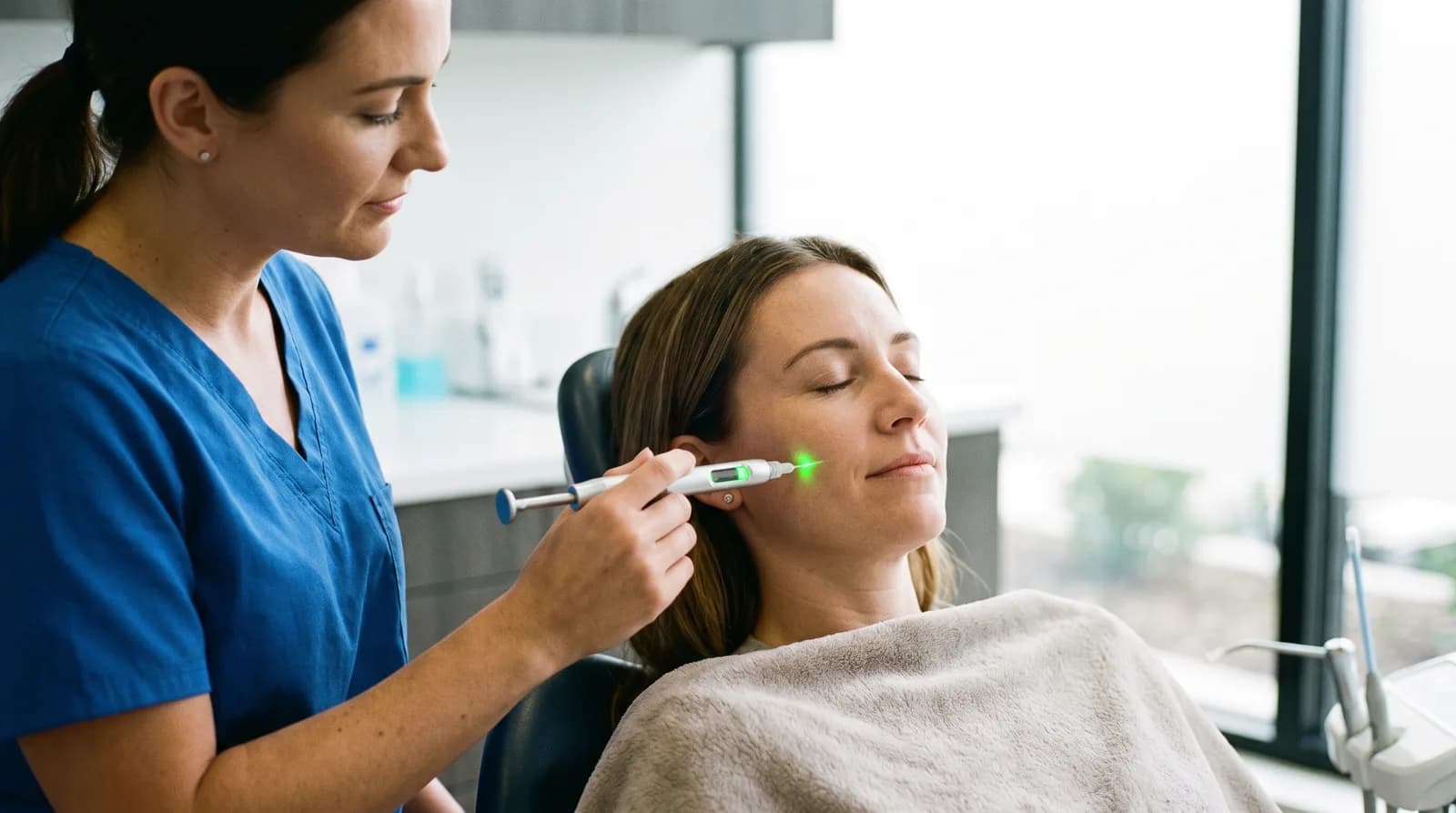
If a fear of needles has kept you from the dentist, understanding what painless dental anesthesia actually looks like today might change how you think about your next visit. Modern numbing techniques have come a long way from what many people remember or imagine, with tools and methods specifically designed to minimize the discomfort of the numbing process itself. This guide walks through what modern anesthesia actually involves and why it's changed so much. Comfortable numbing is part of every procedure at Susan J. Curley DDS, alongside broader general dentistry care. Many patients who've avoided the dentist for years are surprised by how different the experience actually is now, compared to whatever they remember or expect based on past visits.
Needle Fear Keeping You Away?
Modern numbing techniques are designed with exactly this concern in mind. Let's talk about it.
Book Appointment →Painless dental anesthesia today typically starts with a topical numbing gel applied before any injection, followed by a slow, controlled injection technique designed to minimize the sensation patients associate with needles. The goal is comfort at every step, not just during the procedure itself, starting from the moment you sit down in the chair.
The topical gel numbs the surface of the gum for a minute or two before any needle is involved, which significantly reduces what you actually feel at the injection site. Modern anesthetic delivery is also slower and more controlled than older techniques, since a slow injection rate causes less discomfort than a fast one. Combined, these two steps address the two moments patients tend to worry about most: the initial poke and the pressure of the anesthetic itself entering the tissue. Neither step requires anything from you beyond simply showing up to your appointment.
36% of Americans report some degree of dental anxiety, according to a 2024 study in BMC Oral Health, and needle fear specifically is one of the more common, and most directly addressable, parts of that anxiety. Recognizing that it's such a widespread concern often makes it easier to bring up openly.
Topical numbing gel numbs the surface of the gum tissue before an injection, meaning the initial contact with the needle is felt far less, if at all. It's applied a minute or two before the injection to give it time to take effect, a small pause that makes a meaningful difference in how the rest of the appointment feels.
This simple step addresses much of the anticipatory fear many patients have, since the moment they're often dreading most is softened considerably. According to Mayo Clinic, modern local anesthetic techniques are specifically designed to minimize patient discomfort during routine procedures. This focus on comfort has become a standard part of dental training rather than an optional extra.
Injection technique makes a significant difference because a slow, steady injection rate causes meaningfully less discomfort than a fast one, since rapid fluid delivery is what tends to create pressure and sensation.
A practiced, patient approach changes the entire experience, even though the underlying anesthetic itself hasn't changed much, since it's the delivery approach that makes the biggest difference in comfort.
| Technique Factor | Why It Matters for Comfort |
|---|---|
| Slow injection rate | Reduces pressure and sensation during delivery |
| Topical numbing first | Minimizes sensation at the point of entry |
| Thin, modern needles | Smaller gauge reduces sensation compared to older equipment |
These small technical details add up to an experience that's considerably more comfortable than what many patients remember or expect, especially those who haven't had dental work done in several years.
Anxiety About More Than Just Needles?
Our judgment-free approach makes it easy to talk through any dental anxiety, needle-related or otherwise.
Read Our Approach →The numbing process typically involves drying the gum tissue, applying topical gel, waiting a minute or two, then a slow injection, with the whole process taking just a few minutes from start to finish.
Knowing what to expect ahead of time often reduces anxiety on its own, since much of the fear tends to come from uncertainty rather than the process itself.
Every step of this process can be paused or slowed further if you need a moment, since comfort throughout is the goal, not just getting through it quickly. Simply raising a hand is enough to signal that you need a brief pause at any point.
Modern dental needles are considerably thinner than what was standard decades ago, and thinner needles generally cause less sensation upon entry. Combined with improved technique, this is one more factor contributing to a more comfortable experience overall.
Needle gauge, the measurement of a needle's diameter, has trended smaller over the years as manufacturing has improved, allowing for precise, effective delivery with a thinner instrument than was previously possible. Some practices also use computer-controlled delivery systems that regulate the flow of anesthetic even more precisely than a manual injection, further reducing pressure-related discomfort. These technical improvements work alongside technique and topical numbing to address discomfort from multiple angles rather than relying on any single factor. Taken together, they represent a meaningful shift from how numbing was typically done in decades past.
None of these changes eliminate the presence of a needle entirely, but together they meaningfully reduce what a patient actually experiences during the process, which is often the more relevant outcome for anxious patients.
Yes, for significant needle fear or anxiety, options like nitrous oxide or oral sedation can be used alongside standard numbing to add another layer of comfort before the anesthetic is even administered. These options address anxiety about the process itself, not just the sensation.
Nitrous oxide, breathed in through a small mask, provides light relaxation that can take the edge off before an injection even happens, often making the anticipation far more manageable than the actual moment turns out to be. Sedation dentistry has helped roughly 75% of fearful patients maintain regular dental visits, according to the Journal of Dental Anesthesia, which reflects how much of a difference these additional options can make for people who might otherwise avoid care. Combining sedation with modern numbing technique often addresses both the anticipation and the physical sensation at once.
Mentioning needle-specific fear during your consultation helps Dr. Curley recommend the right combination of numbing technique and, if needed, additional sedation, tailored specifically to what makes you anxious.
Yes, patients who've avoided the dentist for years specifically because of needle fear often benefit the most from these modern approaches, since the gap between their expectations and the actual experience tends to be largest. A judgment-free conversation about that history is a normal part of getting started again.
It's common for someone who hasn't been to the dentist in a decade to have a mental picture of anesthesia based on outdated experiences or even stories from other people, rather than current techniques. Explaining what's changed, topical numbing, slower injection technique, thinner needles, sedation options, often does more to ease anxiety than any single reassurance could on its own. Starting with a conversation, before any actual treatment, gives you a chance to ask questions and set the pace for how quickly you want to move forward.
There's no expectation that you'll jump straight into treatment on your first visit back. Many patients start with just a conversation and a look around before scheduling anything further.
Telling your dentist specifically that you have needle fear, rather than general dental anxiety, helps them tailor the approach, from extra topical numbing time to a slower injection pace to additional sedation options. Being specific leads to a more tailored experience, since general anxiety and needle-specific fear sometimes call for different adjustments, even though the two often overlap in practice.
Many patients feel embarrassed bringing up needle fear specifically, but it's an extremely common concern that dental teams address routinely, not an unusual request. Explaining exactly what makes you anxious, the sight of the needle, the anticipation, a past uncomfortable experience, gives Dr. Curley concrete information to work with rather than a general sense that something might be difficult. This kind of detail often leads to small adjustments that make a real difference.
There's no need to minimize or apologize for this fear. It's common enough that addressing it directly is simply part of routine, judgment-free care. CDC oral health data notes that fear and anxiety remain common barriers to regular dental care nationwide, which is exactly why practices increasingly focus on comfort-first approaches like these.
Painless dental anesthesia today reflects real advances in technique, from topical numbing gel to slower injection rates to thinner needles, all designed specifically to address the discomfort patients associate with needles. For significant fear, additional sedation options add another layer of comfort. Susan J. Curley DDS takes needle-specific anxiety seriously and adjusts the approach accordingly, without requiring you to simply push through discomfort on your own.
Results may vary. Please consult with your dentist at Susan J. Curley DDS for personalized treatment recommendations.
If needle fear has been keeping you from the dentist, mentioning it directly is a reasonable first step toward a more comfortable experience, regardless of how long it's been since your last visit.
Ready for a More Comfortable Visit?
Book an appointment with Susan J. Curley DDS and let us know about any needle-specific concerns.
Book an Appointment →Prefer to talk it through first?
Call 732-681-8604 →Written By
Dentist
Searching for a family dentist Sea Girt NJ trusts? See how to choose the right practice near Sea Girt and Bradley Beach.
Looking for a cosmetic dentist Asbury Park NJ trusts? See what patients from Asbury Park and Ocean Grove ask most before booking.
Curious about advanced dental technology in Wall Township, NJ? See how iTero scanning, Digital Smile Design, and same-day crowns work together.
Book your visit with Dr. Curley online or call us, and we'll take it from there.