smile-design
Your First Smile Makeover Consultation: What to Expect
Your first smile makeover consultation: what to expect, from the goals discussion to your digital smile design preview and plan.
Sep 20, 20268 min read


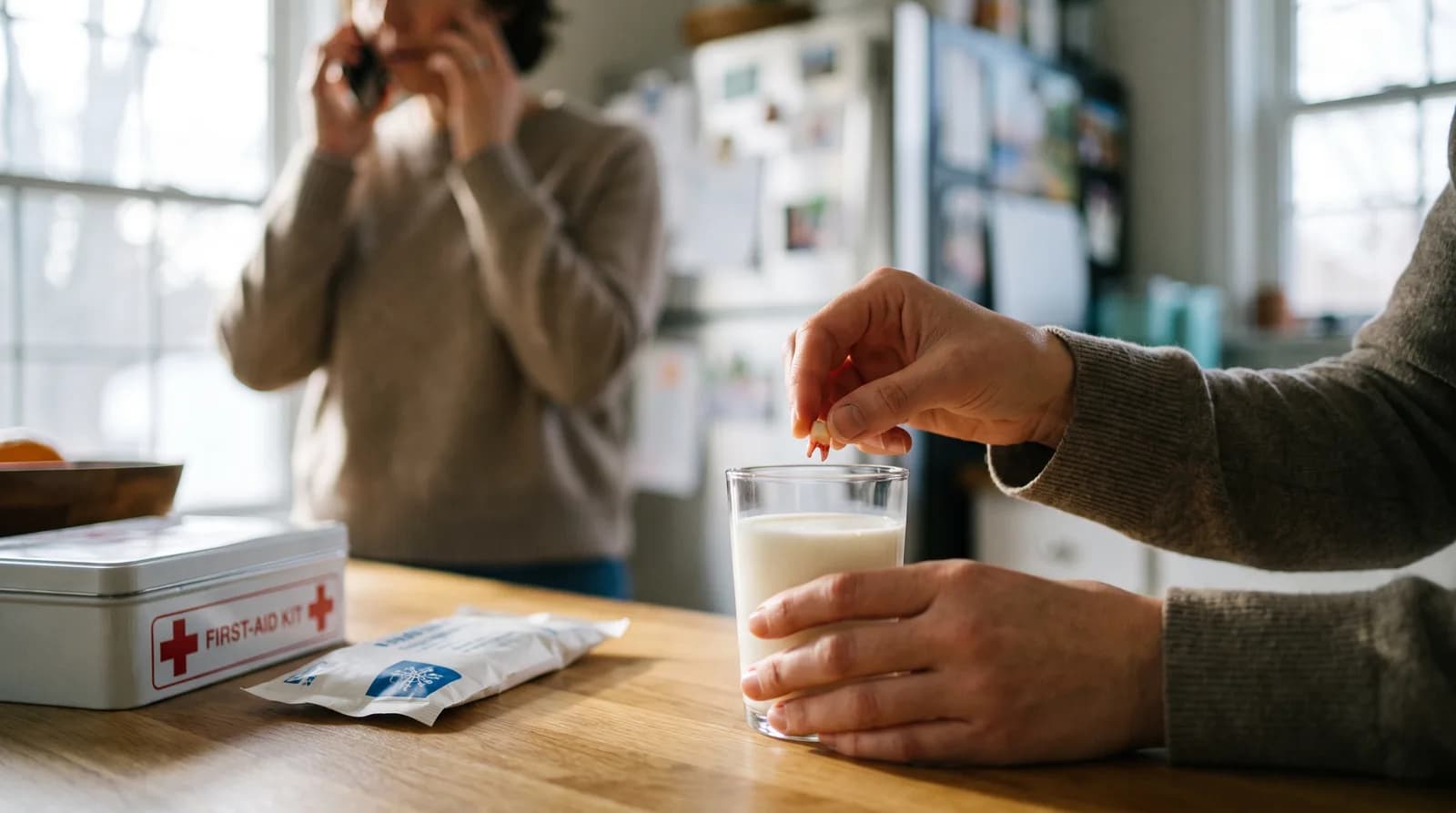
A knocked out tooth what to do checklist boils down to a few critical steps. Stay calm, find the tooth, handle it only by the crown, and get it back in the socket or into a safe liquid immediately. These steps matter more than almost anything else in whether the tooth can be saved.
This is genuine first-aid information, not a substitute for emergency care. If this just happened to you or your child, call Susan J. Curley, DDS right away for same-day emergency care while you follow the steps below. Every minute counts here more than in most dental situations, so read quickly and act as you go.
In the first few minutes, stay calm, locate the tooth, and pick it up by the crown, the white part you normally see, never by the root. Handling the root damages the delicate ligament cells that determine whether the tooth can successfully reattach.
Here's the sequence in order:
If the tooth looks dirty, rinse it briefly and gently under cool running water, holding it by the crown. Do not scrub it, do not use soap or any chemical, and do not remove any small pieces of tissue still attached to the root. Those tissue fragments are part of what gives the tooth its best chance of reattaching, so resist the instinct to clean it thoroughly the way you'd wash a scraped knee.
Yes, if it's a permanent adult tooth, try to gently reinsert it into the socket right away, facing the correct direction, and have the person bite down softly on a clean cloth or gauze to hold it in place. This single step gives the tooth the best possible chance of survival.
Don't force it if it doesn't slide in easily, and don't worry about getting it perfectly positioned. Even a rough reinsertion beats leaving the tooth out of the mouth while you figure out logistics. Once it's back in place, get to the dentist immediately, holding it in with gentle bite pressure the entire way there.
It's natural to hesitate here, especially with a child or in a stressful moment, but this is exactly the step that matters most. A tooth reinserted within a few minutes, even imperfectly, has a meaningfully better outlook than one that sits in a container while everyone deliberates over whether to try. If you're at all able to attempt it safely, it's worth doing.
If reinsertion isn't possible, keep the tooth moist at all times by placing it in milk, holding it between the cheek and gum, or using an ADA-accepted tooth preservation product if you have one on hand. Never let the tooth dry out, even briefly, since that's the single biggest factor working against you here.
Here's a ranked list of storage options, best to acceptable:
Milk works well because its composition is gentler on the root surface than plain water, which can actually damage the same cells you're trying to protect. If milk isn't available, saliva inside the cheek is a reasonable substitute, since it's closer to the tooth's natural environment than tap water would be.
This just happened right now?
Call our office immediately for same-day emergency care while you follow the steps on this page.
Contact Us Now →No, a knocked-out baby tooth should not be reinserted into the socket, unlike a permanent adult tooth. Find the tooth if you can, keep it moist, and get your child to the dentist, but skip the reinsertion step entirely.
Reinserting a primary tooth can risk damaging the permanent tooth developing underneath it, which is why the guidance is different here. Your dentist will examine whether the entire tooth came out or just part of it, and determine what, if anything, needs to happen next. Most of the time, a knocked-out baby tooth simply means that tooth is gone a bit earlier than expected, without the same urgency around replantation.
This distinction trips up a lot of parents in the moment, since the instinct to "put it back" is strong and generally correct for adult teeth. If you're not sure whether it's a baby tooth or a permanent one, a dentist can usually tell quickly based on your child's age and which tooth it was. Don't let uncertainty stop you from calling right away.
Control bleeding by applying firm, gentle pressure with clean gauze or a cloth directly on the socket, and manage swelling with a cold compress held against the outside of the face near the injury. Both are simple, immediate steps you can take at home.
One study of avulsed teeth in children found that only 45.5% were replanted within the critical 30-minute window, which is exactly the gap this guide is meant to help close.
Bleeding from the socket usually slows significantly within 10 to 15 minutes of steady pressure. If it hasn't slowed at all after that, or seems to be getting worse, that's a sign to seek emergency care right away rather than continuing to wait it out at home. A cold compress in 15 to 20 minute intervals helps keep swelling manageable in the meantime.
It helps to have someone else handle the gauze and compress if the injured person is a child or is understandably shaken up, since maintaining steady pressure is more effective than repeatedly checking on the bleeding. Consistent, gentle pressure held in place does more than intermittent glances to see if it's stopped.
The 30-minute window matters because the periodontal ligament cells on the tooth root, the cells responsible for reattachment, begin sustaining irreversible damage once they're dry for more than 30 to 60 minutes outside the mouth. Every minute the tooth spends dry lowers the odds of a successful outcome.
This is exactly why the earlier steps in this guide, reinsertion or moist storage, matter so much more than anything you'd do at the dentist's office an hour later. No amount of skill or technology at the dental office can fully undo damage that's already happened to those cells while the tooth sat dry in someone's pocket during the drive over.
According to a clinical reference on avulsed teeth, most teeth can be successfully replanted if the extraoral dry time is less than 30 minutes, with survival probability dropping and ligament cell damage becoming irreversible between 30 and 60 minutes. A follow-up study of properly replanted teeth found a 95.6% survival rate at one year, underscoring just how much good first-aid technique and quick action matter. That's exactly why reinsertion or proper moist storage in the first few minutes matters so much more than almost anything else you do afterward.
Never handle the tooth by the root, never scrub it or clean it with soap or chemicals, never let it dry out, and never try to reinsert a baby tooth. Each of these mistakes reduces the odds of saving the tooth, sometimes significantly.
It's also worth avoiding a few common improvised choices. Wrapping the tooth in a dry napkin, placing it directly in ice, or leaving it in a cup of plain water for the full drive to the dentist all seem reasonable in the moment. None of these actively help the way milk, saliva, or the socket itself does.
None of these mistakes are unusual or embarrassing to make in the heat of the moment. Dental trauma is disorienting, especially with a child involved, and it's easy to reach for whatever's nearby without thinking through which option actually helps. Knowing the short list of things to avoid ahead of time is exactly what this guide is for.
Go to the emergency room instead of, or in addition to, an emergency dentist if there's uncontrolled bleeding, a suspected broken jaw, loss of consciousness, or any signs of a more serious head injury. A knocked-out tooth alone, without those complications, is best handled by a dentist who can address the tooth itself directly.
| Situation | Where to Go |
|---|---|
| Knocked-out tooth only | Emergency dentist |
| Bleeding that won't stop with pressure | Emergency room |
| Suspected broken jaw or facial bones | Emergency room |
| Loss of consciousness, even briefly | Emergency room |
| Unsure which applies | Call either one for guidance |
MouthHealthy, the ADA's patient education site, advises visiting a dentist or emergency room as soon as possible for any dental emergency, and treats a knocked-out tooth as one of the more time-sensitive situations specifically because of that reattachment window. If you're ever unsure which one applies to your situation, calling either one first for guidance is always a reasonable move, and no dentist or ER staff will fault you for asking.

Not sure if this counts as an emergency?
Call us. We'll help you figure out the right next step immediately, no guessing required.
Contact Us →A knocked-out tooth is one of the few dental situations where minutes genuinely matter. If you're searching for knocked out tooth what to do right now, here's the short version: find the tooth, handle it by the crown, and reinsert it if it's a permanent tooth. Keep it moist in milk or your cheek if you can't, and get to a dentist immediately. Our guide to same-day emergency dental care covers what happens once you arrive. Results may vary. Please consult with your dentist at Susan J. Curley DDS for personalized treatment recommendations, and seek immediate emergency care for any dental trauma.
Dealing with a dental emergency right now?
Call Susan J. Curley, DDS immediately for same-day emergency care.
Contact Us Now →Dealing with a different chipped or broken tooth?
See your repair options →Written By
Dentist
Your first smile makeover consultation: what to expect, from the goals discussion to your digital smile design preview and plan.
What is digital smile design? A preview technology that lets you see your proposed new smile before treatment even begins.
Am I a candidate for veneers? Six clear signs that suggest veneers could be a good fit for your smile and long-term goals.
Book your visit with Dr. Curley online or call us, and we'll take it from there.