
smile-design
How to Build a Full Smile Makeover Plan That Works
Full smile makeover plan explained: how to properly sequence Invisalign, whitening, and veneers together for the best result.
Sep 22, 20266 min read



Porcelain veneers process step by step usually spans two to three visits over a few weeks, from your first consultation to the final bonded result. Understanding what each visit actually involves helps you know what you're signing up for before you commit, which is often the missing piece for patients who are veneer-curious but hesitant.
Nearly all Americans, 99.7% according to the American Academy of Cosmetic Dentistry, believe a smile is an important social asset, which explains why veneers, detailed further in the ADA's patient resource on veneers, remain one of the most requested cosmetic dentistry treatments. This guide walks through the process itself, visit by visit, rather than the cost comparisons or bonding alternatives covered elsewhere.
Your first consultation includes a discussion of your goals, a smile evaluation, X-rays or a digital scan, and a conversation about which teeth are good candidates. This visit is where the process actually gets planned out.
Dr. Curley examines your natural tooth shape, gum line, and bite before discussing shade, shape, and how many teeth you're considering. Many patients come in picturing a specific look, whether that's from a photo or simply "whiter and straighter," and this conversation translates that into a realistic plan. Digital smile design imaging is often used at this stage to preview roughly how the final result might look before any tooth preparation begins, a technology covered in more detail in our tour of our advanced dental technology.
Candidacy depends mostly on the health of the teeth and gums involved. Active decay or gum disease typically needs treatment first, since veneers are a cosmetic layer applied to an otherwise healthy tooth, not a fix for underlying problems.
This is also the visit where you and Dr. Curley talk through realistic expectations. Veneers change color, shape, and alignment, but they don't move teeth the way orthodontics does, so a smile with significant crowding might need a combination approach rather than veneers alone. Being upfront about your budget and timeline here helps shape a plan that fits both, rather than discovering mismatched expectations partway through treatment.
Tooth preparation involves removing a thin layer of enamel, typically less than a millimeter, from the front surface of each tooth receiving a veneer. This creates room for the veneer without making the tooth look bulky.
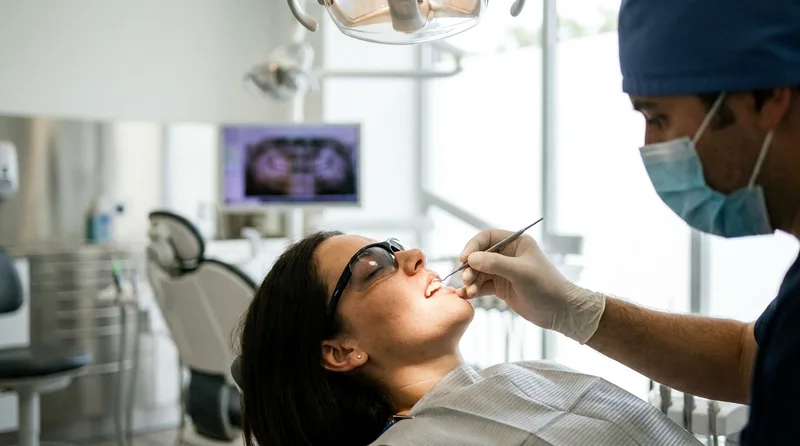
Local anesthetic is used for this step since it involves working directly on the tooth surface. The amount removed is carefully measured and is generally less than what's needed for a crown, since a veneer only covers the front and edge of the tooth rather than wrapping around it entirely. Once preparation is complete, a digital scan or physical impression captures the exact shape for the dental lab to work from.
Preparation is done on each tooth receiving a veneer during the same visit, so if you're planning a full set for your upper front teeth, all of them are prepared together rather than one at a time across multiple appointments. This keeps the overall timeline shorter and ensures the shade and shape are planned as a cohesive set rather than piecemeal.
Temporary veneers are placed after preparation and worn while your permanent porcelain veneers are being fabricated, which typically takes one to two weeks. They protect the prepared teeth and let you preview the general shape in the meantime.
Temporaries are made from a more affordable acrylic material and aren't meant to last, so treat them gently: avoid very hard or sticky foods, and don't use them to test the exact final shade, since the permanent porcelain will look different once placed. If a temporary feels loose or falls off, call the office rather than waiting for your next scheduled visit, since the prepared tooth underneath needs to stay protected.
Some patients use this window to request minor adjustments to shape or length once they've had a few days to live with the temporary version, which the lab can factor into the final veneers.
It's worth treating the temporary phase as a genuine preview rather than just a placeholder to get through. Pay attention to how the length feels when you smile, whether the shape matches what you pictured, and whether anything feels too bulky or too subtle. Bringing specific feedback to your placement visit, rather than general impressions, gives Dr. Curley concrete direction if any last adjustments are needed.
Porcelain veneers are custom-fabricated at a dental lab using the digital scan or impression taken after tooth preparation, matched to the shade and shape discussed during your consultation. This process typically takes one to two weeks.
Skilled ceramists build each veneer by hand or with computer-aided design, layering porcelain to mimic the translucency and light reflection of natural enamel. This step is why veneers look convincingly natural rather than flat or artificial: porcelain has similar optical properties to tooth enamel, which is part of why it remains the material of choice for a long-lasting cosmetic result.
Throughout fabrication, the lab works from detailed notes and photos taken during your consultation and preparation visits, including your natural tooth shade and any specific requests you made about brightness or shape. Some cases involve a back-and-forth between Dr. Curley and the lab if a particular detail needs refining before the veneers are finalized and shipped back for your placement appointment.
The placement appointment involves removing your temporaries, trying in the permanent veneers to check fit and shade, then permanently bonding them to your teeth with a curing light. Most placement visits take one to two hours.
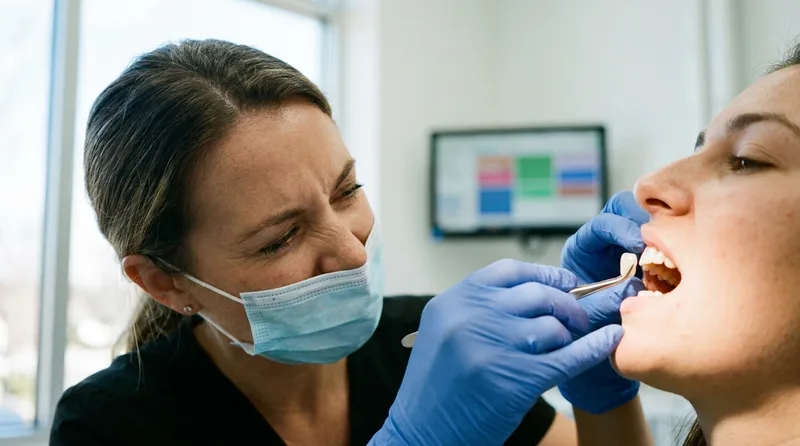
Before permanently bonding anything, Dr. Curley checks each veneer's fit against your teeth and reviews the shade in natural light with you. This is your last chance to flag anything that looks off before the bonding step, which isn't reversible. Once you're both satisfied, each veneer is cleaned, bonded with a specialized dental cement, and hardened with a curing light, then checked once more for bite alignment.
The try-in step matters more than it might seem. Porcelain shade can look slightly different under office lighting versus daylight, so Dr. Curley will often have you step near a window or use a daylight-corrected light to confirm the final color before committing. Any excess cement is carefully cleaned away from around the gumline once bonding is complete, and a final polish leaves the surface smooth.
Right after placement, your bite may feel slightly different for a day or two as you adjust, and mild gum sensitivity near the veneers is common. Most patients return to normal eating and speaking within a few days.
It's normal for your tongue to feel like it's constantly finding the new edges of your teeth for the first several days, similar to adjusting to a new pair of glasses. If your bite feels uneven or one tooth seems to hit before the others, mention it. Small adjustments are a normal part of the process and are far easier to fine-tune in the days right after placement than months later.
Most patients describe the adjustment period as more about noticing the newness than any real discomfort. Speaking, especially certain consonant sounds, can feel slightly different for the first day or two since the front tooth surfaces have changed shape. This typically resolves on its own well before the follow-up check that Dr. Curley schedules a few weeks out.
Curious if veneers are right for your smile?
A consultation is the best way to see a preview of your results before committing to the process.
Schedule a Consultation →The entire process, from your first consultation to final placement, typically takes two to four weeks and spans two to three visits. Same-day designs are sometimes possible for very limited cases, though most veneers still follow the standard timeline.
The consultation visit itself takes about an hour, tooth preparation and the temporary fitting take another one to two hours, and the final placement visit runs one to two hours as well. The gap between preparation and placement, while the lab fabricates your veneers, makes up most of the total calendar time even though the actual chair time is relatively short.
Planning around this timeline matters most if you're targeting a specific date, like a wedding or another event. Starting the process at least a month ahead gives enough buffer for the lab work and a follow-up adjustment visit if needed, rather than rushing the final placement right up against the date itself.
Caring for porcelain veneers involves the same brushing and flossing routine as your natural teeth, along with avoiding using your teeth as tools and wearing a night guard if you grind your teeth. Porcelain veneers can last 10 to 15 years with proper care, according to the Journal of Prosthetic Dentistry, and following general oral health guidance from the CDC for daily brushing and flossing supports that lifespan.
Veneers themselves resist staining better than natural enamel, but the cement line at the edge can pick up staining over time from things like coffee, tea, or red wine, so routine cleanings help keep that edge looking its best. Regular dental visits catch 80% of oral health issues before they become serious, according to the ADA, which is part of why routine checkups remain worthwhile even after your veneers are placed.
Chipping or cracking a veneer is uncommon with normal use but can happen from biting into something unexpectedly hard, like an olive pit, or from an accidental impact. If that happens, the veneer typically can be repaired or replaced rather than requiring a full redo of the case, so it's worth calling the office rather than waiting to bring it up at a routine checkup.
Porcelain veneers process step by step comes down to a handful of visits, most of the actual time spent waiting on the lab rather than in the chair. Knowing what each step involves ahead of time tends to make the whole experience feel far more predictable. Results may vary. Please consult with your dentist at Susan J. Curley DDS for personalized treatment recommendations.
If you've been considering veneers but wanted to understand the process before committing, a consultation is a low-pressure way to get specific answers about your own smile and timeline. Our cosmetic dentistry patient FAQ also covers common questions from patients in the early stages of considering treatment.
Ready to Explore Porcelain Veneers?
Schedule a consultation with Dr. Curley in Wall Township and see a preview of what veneers could look like for your smile.
Book Appointment →Have questions before booking?
Contact Our Wall Township Office →Written By
Dentist
Full smile makeover plan explained: how to properly sequence Invisalign, whitening, and veneers together for the best result.
Digital smile design mockup explained honestly for patients: how it is created, why it is trustworthy, and what it shows you.
Smile design for a gummy smile: what actually causes it and which treatment options can genuinely help you feel confident.
Book your visit with Dr. Curley online or call us, and we'll take it from there.