Patient Resources
Family Dentist Sea Girt NJ: Choosing a Practice Nearby
Searching for a family dentist Sea Girt NJ trusts? See how to choose the right practice near Sea Girt and Bradley Beach.
Aug 11, 202610 min read


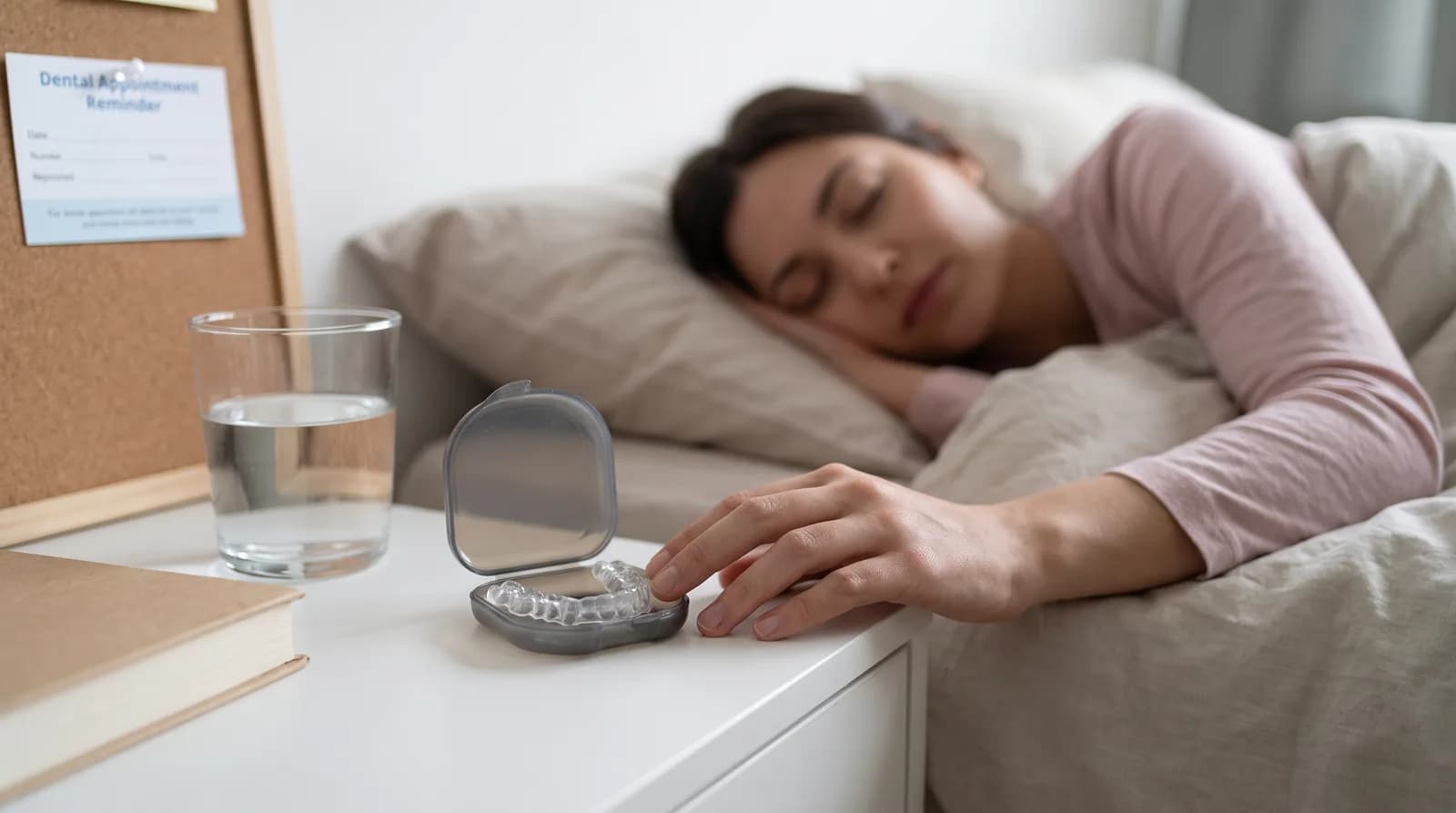
If grinding is wearing down your teeth and wrecking your sleep at the same time, a custom night guard for teeth grinding is one of the more effective, low-effort solutions available, protecting your teeth while addressing the disruption grinding causes to your rest. This guide covers what a custom night guard actually is, how it compares to store-bought alternatives, and whether the investment is genuinely worth it. Custom night guards are part of ongoing restorative dentistry care at Susan J. Curley DDS. Understanding what actually goes into a custom guard helps clarify why it costs more than a store-bought version.
Grinding Affecting Your Teeth or Sleep?
A custom night guard is fitted specifically to your bite for the most effective, comfortable protection.
Book Appointment →A custom night guard is a dental appliance molded specifically to your teeth and bite, worn during sleep to create a protective buffer between your upper and lower teeth. Unlike generic options, it's built entirely around your individual mouth, which is what sets it apart from anything available over the counter.
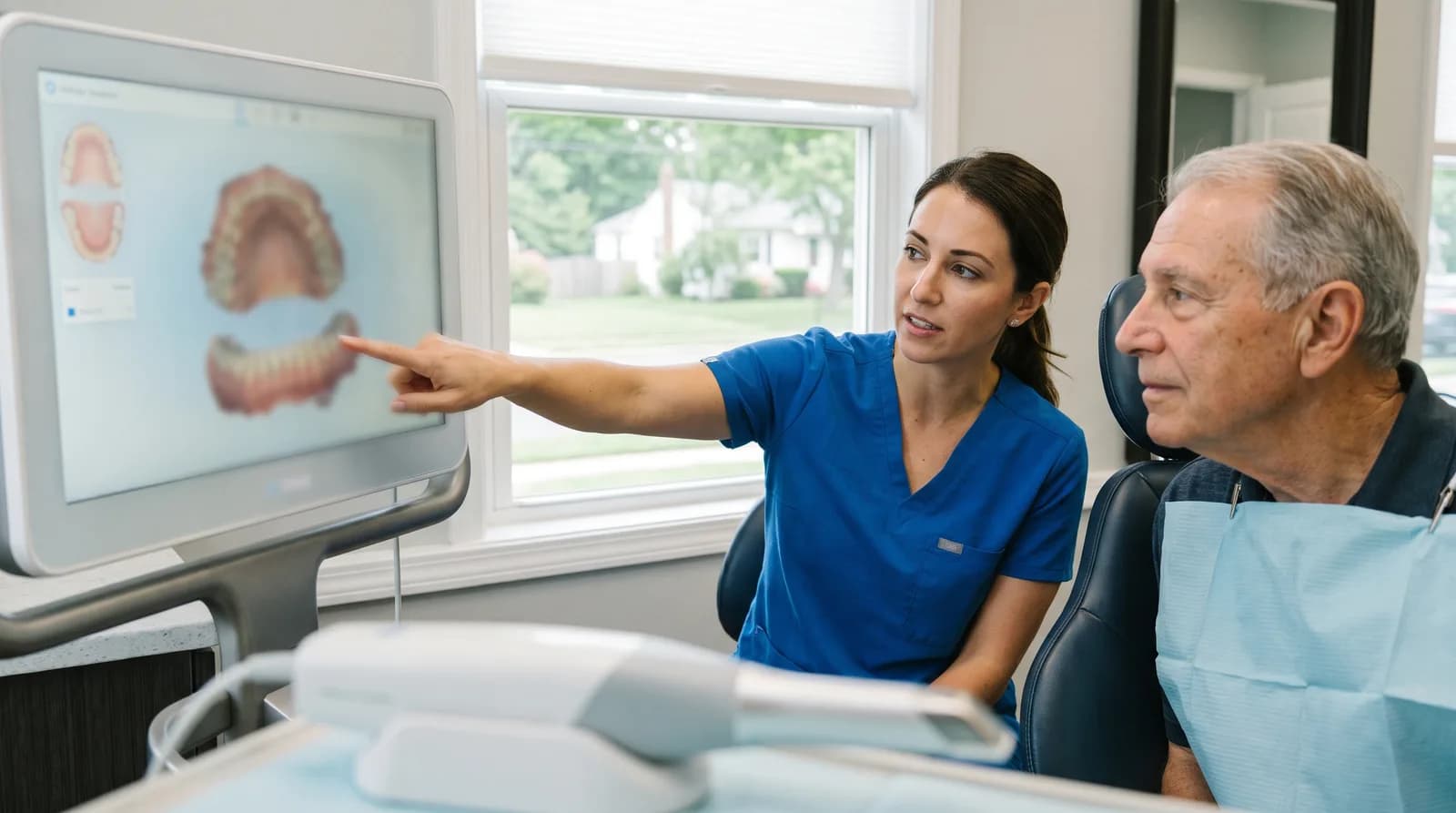
Dr. Curley takes a precise digital scan or impression of your teeth, which is then used to fabricate a guard that fits your exact bite, not an approximation. This custom fit is what allows the guard to stay comfortably in place all night without shifting or feeling bulky, which is a common complaint with less precise alternatives. The result is a thin, durable appliance that's specifically shaped to distribute the force of grinding evenly across your teeth. Most patients describe the fit as barely noticeable once they've adjusted to wearing it.
Most patients receive their custom guard within a week or two of the initial scan, with a follow-up check to confirm the fit is comfortable and effective. According to Mayo Clinic, a custom-fitted night guard is one of the most effective ways to protect teeth from grinding-related damage.
A custom night guard fits precisely to your bite, while store-bought options rely on a generic mold or boil-and-bite process that rarely matches your teeth as closely. That difference in fit affects both comfort and how well the guard actually protects your teeth night after night.
| Factor | Store-Bought Guard | Custom Night Guard |
|---|---|---|
| Fit | Generic or boil-and-bite, approximate | Molded precisely to your bite |
| Comfort during sleep | Can feel bulky or shift overnight | Designed to stay securely in place |
| Durability | Wears down faster, replaced often | Built from durable, longer-lasting material |
For mild, occasional grinding, a store-bought option might be a reasonable starting point, but a custom guard tends to be the more reliable long-term solution for consistent grinding. If a store-bought option hasn't helped after a few weeks, that's usually a sign a custom fit is worth considering, rather than continuing to cycle through generic alternatives.
Also Dealing With Gum Sensitivity?
Our guide covers how laser dentistry offers a gentler option for gum-related treatment.
Read About Laser Dentistry →A night guard protects teeth by absorbing and distributing the physical force of grinding, preventing that force from wearing down enamel or putting excess strain on individual teeth. It acts as a buffer rather than stopping the grinding motion itself, since the goal is protection rather than prevention of the habit.
Without protection, grinding gradually wears down tooth enamel, sometimes flattening the biting surfaces or creating small cracks over time, damage that's difficult and often costly to reverse once it's happened. A night guard absorbs that repeated impact instead, meaning the wear happens to the guard's surface rather than your natural teeth. Over months and years of consistent use, this protective effect adds up to meaningfully preserved tooth structure. Patients who wear their guard consistently often go years without any new grinding-related damage, which is a meaningful outcome compared to the alternative. Regular dental visits catch roughly 80% of oral health issues before they become serious, according to the ADA, and consistent night guard use paired with routine checkups is part of that same preventive pattern.
Replacing a worn guard periodically is part of normal use, and far simpler than repairing or replacing damaged teeth would be. A guard showing visible wear is doing exactly what it's designed to do, protecting the natural teeth underneath from that same damage.
Caring for a custom night guard involves rinsing it after each use, brushing it gently with a soft toothbrush, and storing it in a ventilated case rather than a sealed container. Proper care extends its lifespan considerably.
A quick rinse under cool water each morning removes saliva and any loose debris before storage, while a gentle brushing a few times a week with mild soap or a non-abrasive cleanser keeps the guard fresh without damaging the material. Avoiding hot water is important, since heat can warp the guard's precise fit, the same way it can affect dentures. Storing it in the ventilated case provided at pickup, rather than a sealed bag, allows it to dry properly between uses and helps prevent bacterial buildup. This routine takes just a minute or two each day once it becomes habit, similar to any other part of your regular dental care.
With proper care, a custom night guard typically lasts several years before showing enough wear to need replacement. Bringing it to routine checkups lets Dr. Curley confirm the fit is still holding up well and address any adjustments needed before wear becomes significant.
Yes, many patients report better sleep quality after starting a night guard, since it reduces the muscle tension and jaw discomfort that grinding often causes overnight. Less physical disruption during sleep can translate into feeling more rested, even if the improvement isn't dramatic for every patient, since results naturally vary depending on how much grinding was disrupting sleep beforehand.
Grinding is a physically active process even during sleep, engaging jaw muscles repeatedly throughout the night in a way that can contribute to lighter, more disrupted rest. Reducing the intensity of that muscle activity, which a night guard helps with by cushioning the bite, sometimes allows for deeper, less interrupted sleep. Partners of people who grind often report a quieter night too, since a guard can reduce the audible grinding sound. This shared benefit is often what prompts a partner to encourage treatment in the first place, even before the grinder themselves notices a problem.
While a night guard isn't a treatment for sleep disorders generally, addressing grinding-related disruption is a meaningful piece of better rest for many patients who grind. If sleep issues persist beyond what a night guard addresses, that's worth discussing with a physician separately, since other factors may also be contributing.
Patients who grind consistently, show visible tooth wear, or wake up with jaw soreness benefit most from a custom night guard, since these signs indicate ongoing strain that a guard directly addresses. Occasional, mild grinding may not require the same level of intervention, though it's still worth mentioning at a checkup rather than assuming it's not worth bringing up.
Someone with confirmed wear patterns on their teeth, a partner who's mentioned nighttime grinding sounds, or recurring morning jaw discomfort is a strong candidate for a custom guard, since these signs suggest grinding is frequent enough to cause meaningful wear over time. Patients managing stress or anxiety, which often contributes to grinding, may benefit from a guard as one part of a broader approach that also addresses the underlying trigger. An exam is what actually confirms whether your specific pattern warrants a custom guard versus a more conservative approach. Two patients with similar habits can still land on different recommendations depending on their specific exam findings, which is exactly why an in-person evaluation matters more than a general rule. This is also why a written recommendation, rather than a generic assumption, gives you a clearer sense of what to expect going forward.
If you're unsure whether your grinding is significant enough to warrant a guard, that uncertainty itself is a good reason to get an exam and find out, rather than waiting for more obvious damage to appear.
For most patients who grind consistently, a custom night guard is worth the investment, since it protects against tooth damage that's considerably more involved and disruptive to repair than the guard itself. The dual benefit of protecting teeth and improving sleep adds to that value beyond just the protective function alone.
Comparing the guard's cost to what a cracked or severely worn tooth eventually requires, a crown, a root canal, or more extensive restorative work, makes the guard look like a modest, preventive investment rather than an expense to avoid. Dental insurance sometimes covers a portion of a custom night guard, and Susan J. Curley DDS can help verify your specific coverage before treatment. Financing options are also available for the remaining balance if needed, making the investment more manageable upfront rather than requiring the full amount all at once. Asking about both insurance and financing during your consultation gives you the fullest picture before deciding.
Weighing the guard's upfront cost against years of protected teeth and improved sleep is a reasonable way to think through the decision. CDC oral health data notes that preventive dental care generally reduces the likelihood of more costly treatment down the road.
A custom night guard for teeth grinding addresses two connected problems at once: protecting your teeth from wear and reducing the sleep disruption grinding often causes. For most patients dealing with consistent grinding, the investment pays off well beyond what a store-bought alternative can offer. Susan J. Curley DDS can confirm whether a custom guard is the right fit for your specific situation, without pressure to commit before you're ready, and with a clear explanation of what to expect at every step.
Roughly 42% of adults aged 30 and older have some form of periodontal disease, according to CDC 2024 data, and consistent preventive habits, including night guard use where relevant, are part of what helps keep long-term oral health on track.
Results may vary. Please consult with your dentist at Susan J. Curley DDS for personalized treatment recommendations.
If grinding has been affecting your teeth or your sleep, a consultation is a straightforward way to find out if a custom night guard makes sense for you, with no pressure to decide anything on the spot.
Ready to Protect Your Teeth and Sleep?
Book an appointment with Susan J. Curley DDS and find out if a custom night guard is right for you.
Book an Appointment →Prefer to talk it through first?
Call 732-681-8604 →Written By
Dentist
Searching for a family dentist Sea Girt NJ trusts? See how to choose the right practice near Sea Girt and Bradley Beach.
Looking for a cosmetic dentist Asbury Park NJ trusts? See what patients from Asbury Park and Ocean Grove ask most before booking.
Curious about advanced dental technology in Wall Township, NJ? See how iTero scanning, Digital Smile Design, and same-day crowns work together.
Book your visit with Dr. Curley online or call us, and we'll take it from there.